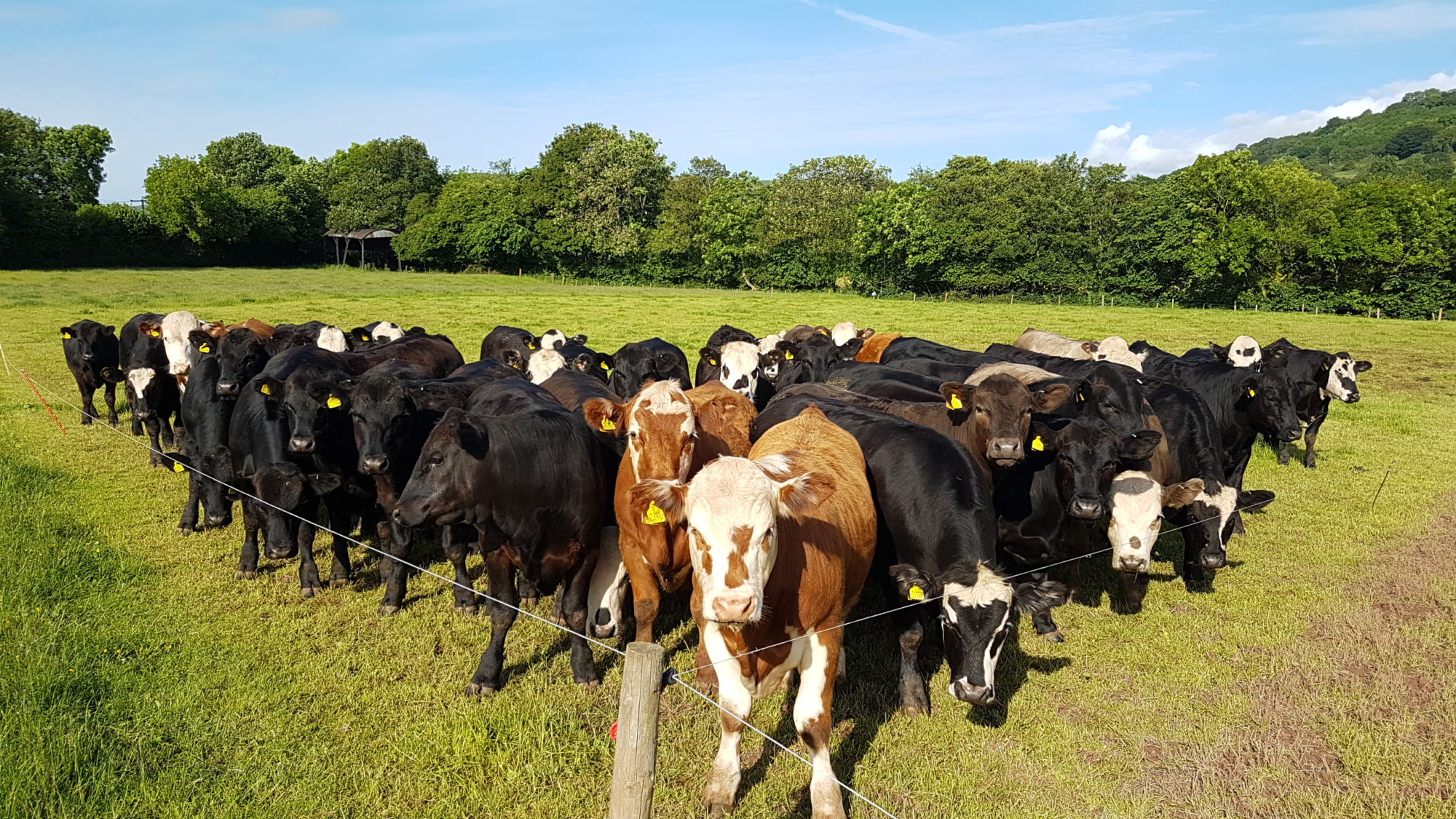
Drawn to an oceanic feast of spectacles on Blue Planet II, closer to home, another spectacular is under way as we munch our way through ‘cheap’ salmon dishes.
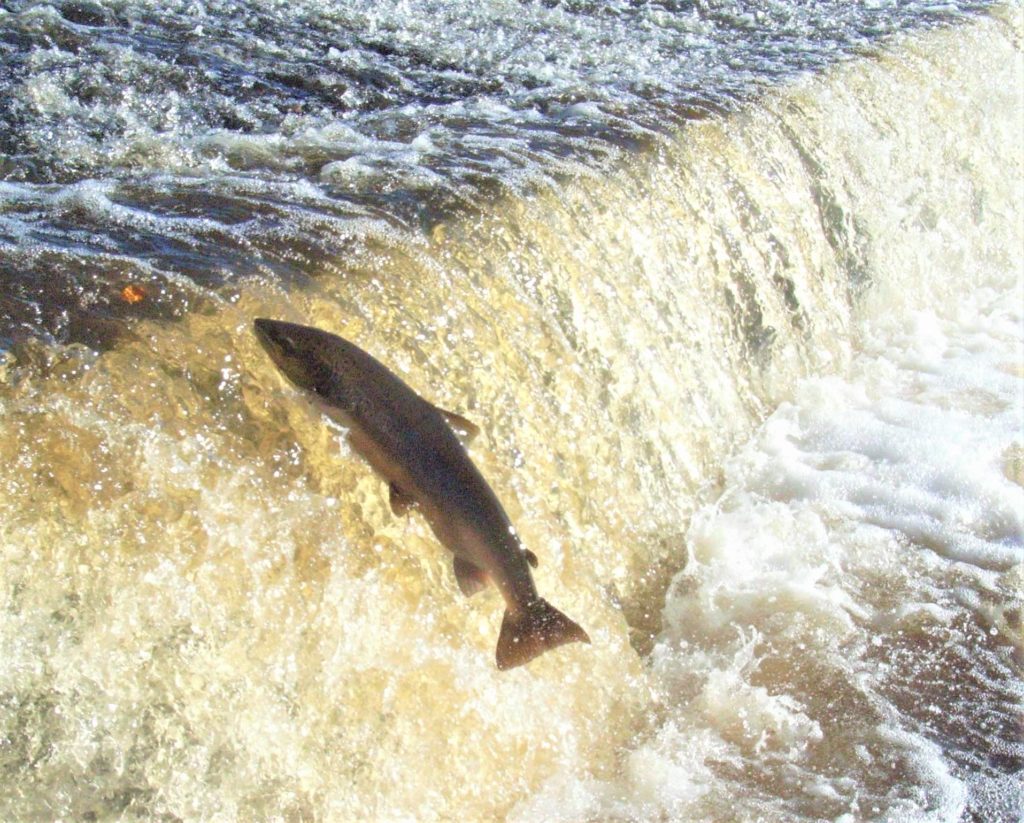
Atlantic salmon are moving at the moment. Migratory instincts demanding the fish drive forward, bashing against rocks, jostling at the foot of waterfalls, ramming through woody debris across narrow channels, tails flapping as they power, their backs exposed, through wide shallows – a muscled sliver of coloured silver (cliche alert) majestically thrashing its way upstream to breed at any cost.
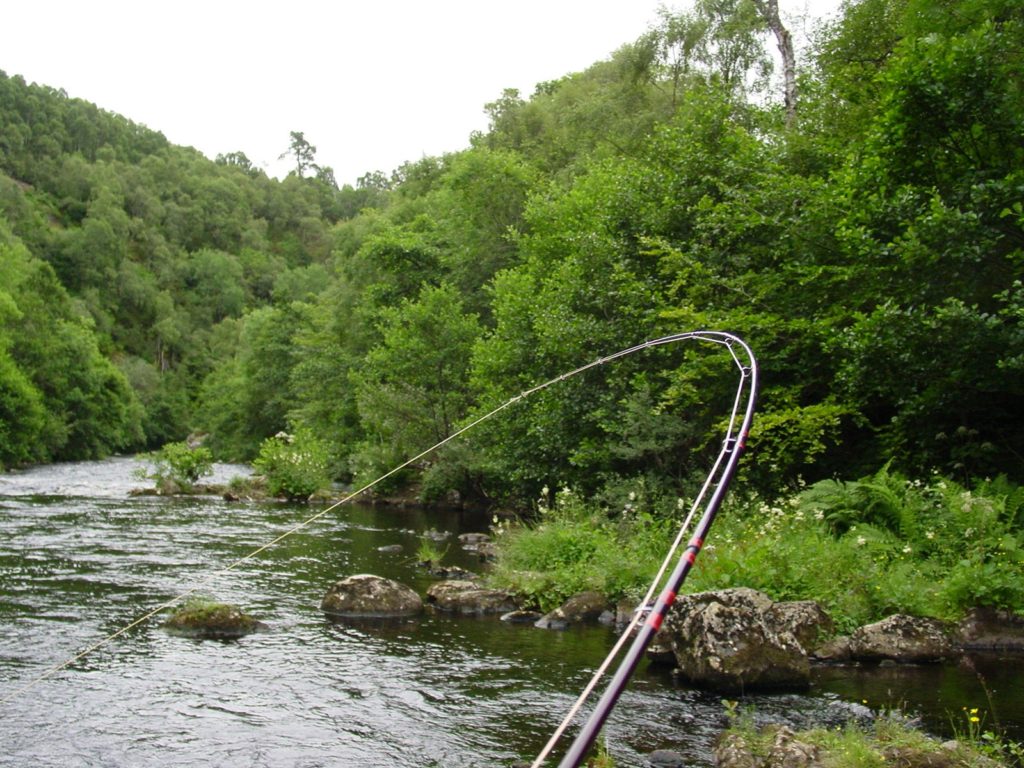
It’s cost krill their life to bring salmon to this condition: millions of tiny sea going crustaceans, prawn-like in shape, that give wild salmon its pink flesh (compound called astaxanthin) and a key species within the ocean food web. While I’ve hunted prawns from rock pools, I’ve also been very lucky to have hooked a handful of salmon in Scottish rivers. Slow thumping take, bend of the rod, reel screaming to catch up (second cliche alert), slippery rocks with hidden dark holes as you stagger, midges biting, to move with the fish on its first furious run…
A large trout on a small rod is one thing. A small salmon on a big rod is another thing. Different for an intangible reason – perhaps just out of raw natural flow interrupted by small hook and gossamer line – as hunter and prey interact.
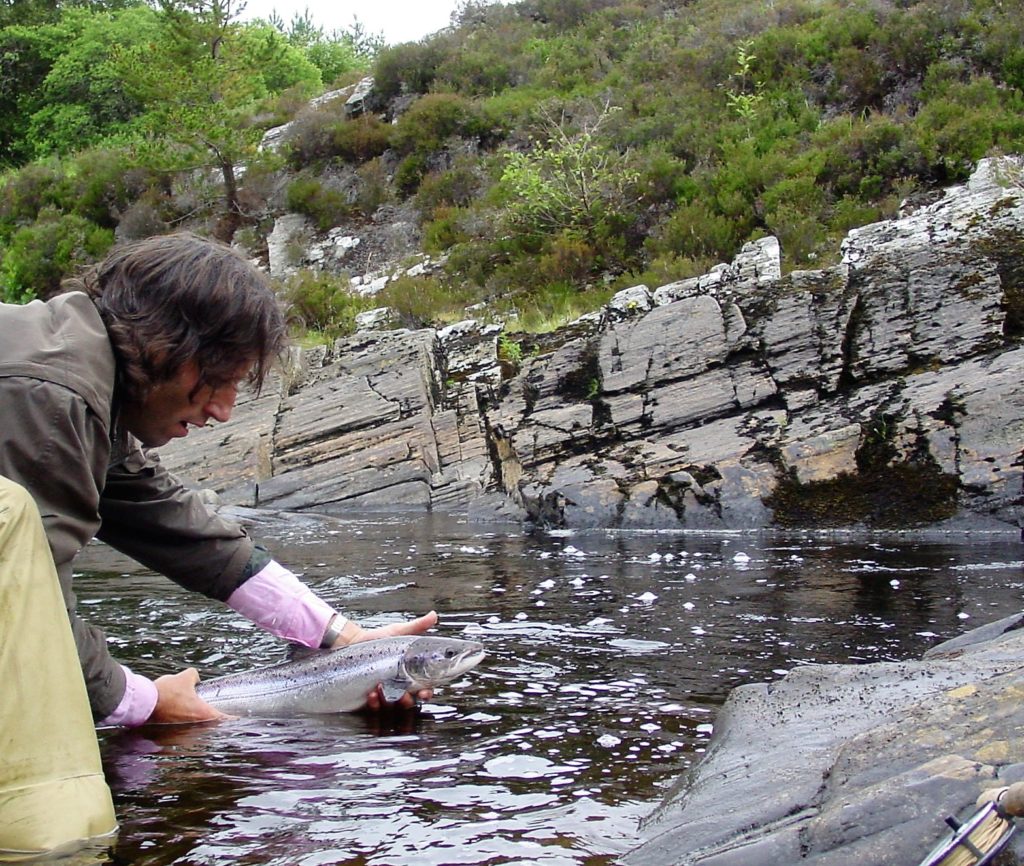
Many salmon are returned but, now and again, one is killed for ‘the pot’ – and then, if lucky again (10000 casts per fish?!), others are played to then carefully unhook and hold the fish in the flow to help it regain its strength, swish its powerful tail and return on its migratory journey.
Away from the wild fish, farmed salmon is big business. Big as canapes smoked on brown bread, cheapest in the biggest supermarkets, and bigger healthy good news for fish oil* nutritionists. Even farmed, once a rare delicacy (do I remember £20/lb old money?), its retail cost has tumbled over the years. As improved farming techniques have yielded efficiencies passed on through our food chain, it has not been without negative impact on other ecosystem food chains.
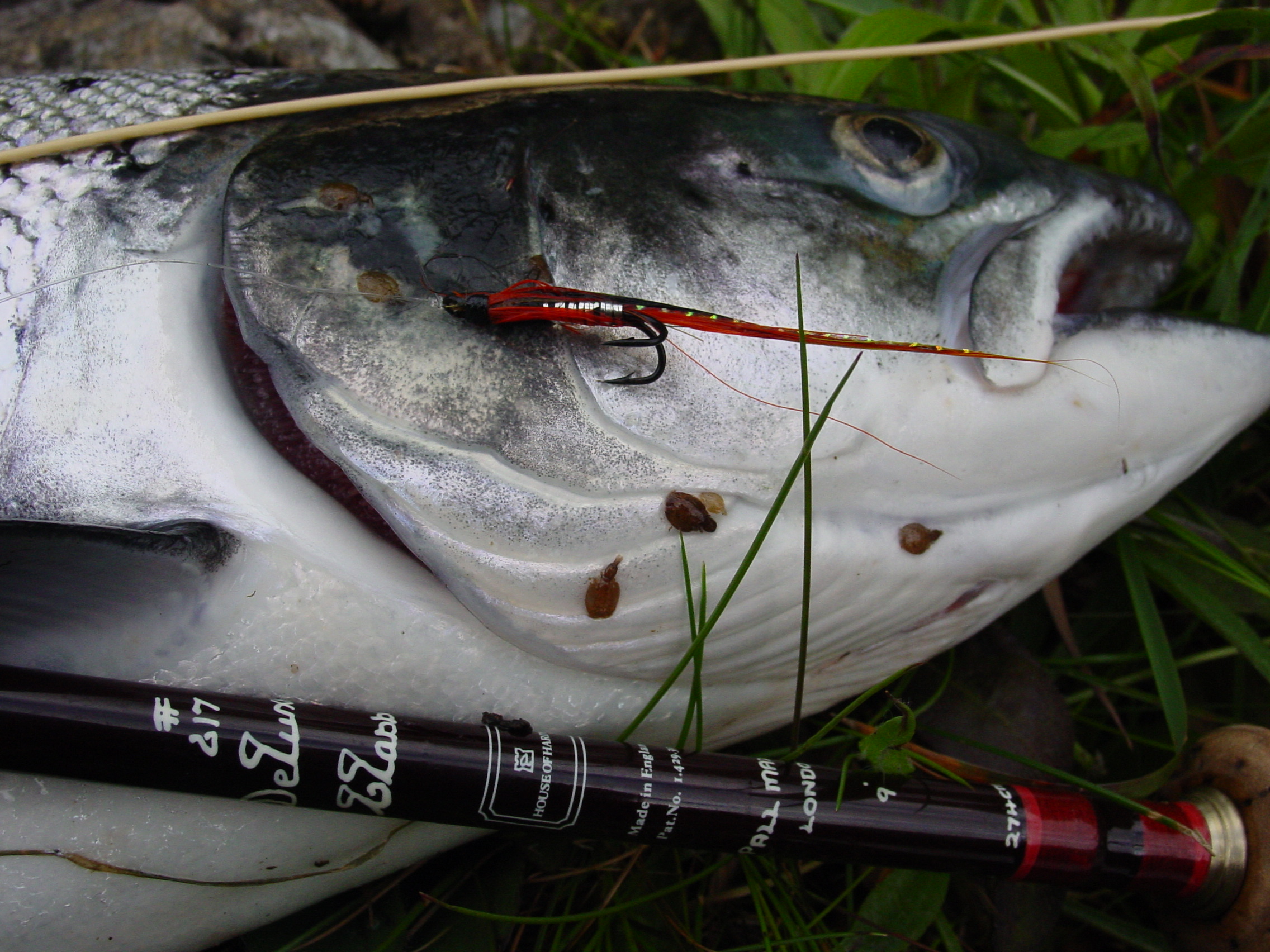
Krill, alongside other small sea-fish, are hoovered up to be used as fish food (it’s that vital omega 3* again) while sea lice infestations in salmon cages ‘overload’ wild fish passing up sea lochs on their migratory journey.
Consumer hunger for this tasty healthy ‘cheap’ protein is not going away (see latest Eat-Lancet Commission update and this response from MSC). Aquaculture is globally set to become the biggest source of protein and new technologies will play a vital role in enabling fish farming to keep pace with reducing its environmental impacts. Fish meal from genetically modified camelina would avoid depleting wild fish stocks, as would fish meal protein manufactured from methane (and here), and ultimately, although more expensive, closed contained onshore tanks would keep farmed away from wild salmon – especially if the former are GM salmon.
To save wildlife, let’s farm smarter. I’m all for keeping farmed systems – ‘intensive’, organic or otherwise – at arm’s length from nature, to then enable salmon to hunt krill, and for us to ‘hunt’ the odd wild salmon.
addendum: as primary industry aqua-tech moves on, brighter spotlights are shone on open-sea farmed fish and China goes tech with aqua-tankers, Abel & Cole and Field and Flower seek to utilise ‘recirculating aquaculture systems‘ (RAS) for onshore salmon in Iceland and Norway the Science Museum hosts a ‘Future of Food’ exhibition (updated Nov 2025)