A re-blog of a Nature Notebook first published in The Times Dec 2014)
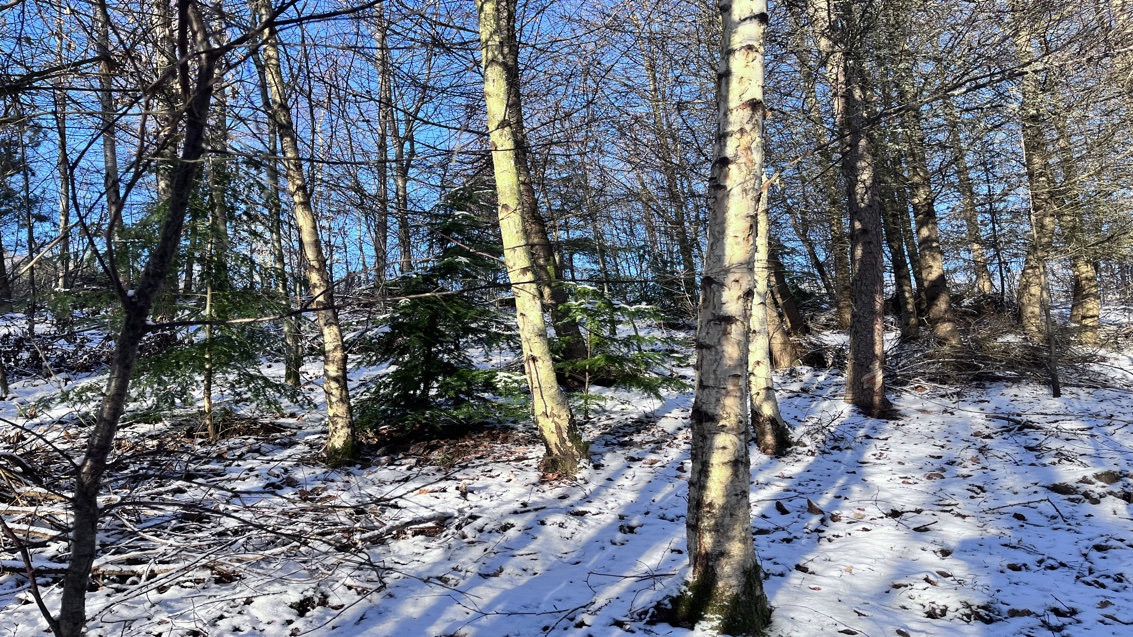
The grass has turned brown, folding in tussocks around bare-leafed saplings in my wood. I saw my first woodcock of the year on a late evening walk. It was too dark for colour but some of the best sightings are will-o’-the-wisp figures in darkening woodland: silhouette of roebuck’s antler; oak branches against gloaming sky; flickering December moth. The late PD James said that autumn “lends itself to a detective story through the dying light” as nature conceals itself with darkness, a “melancholy in the dying of the year”.
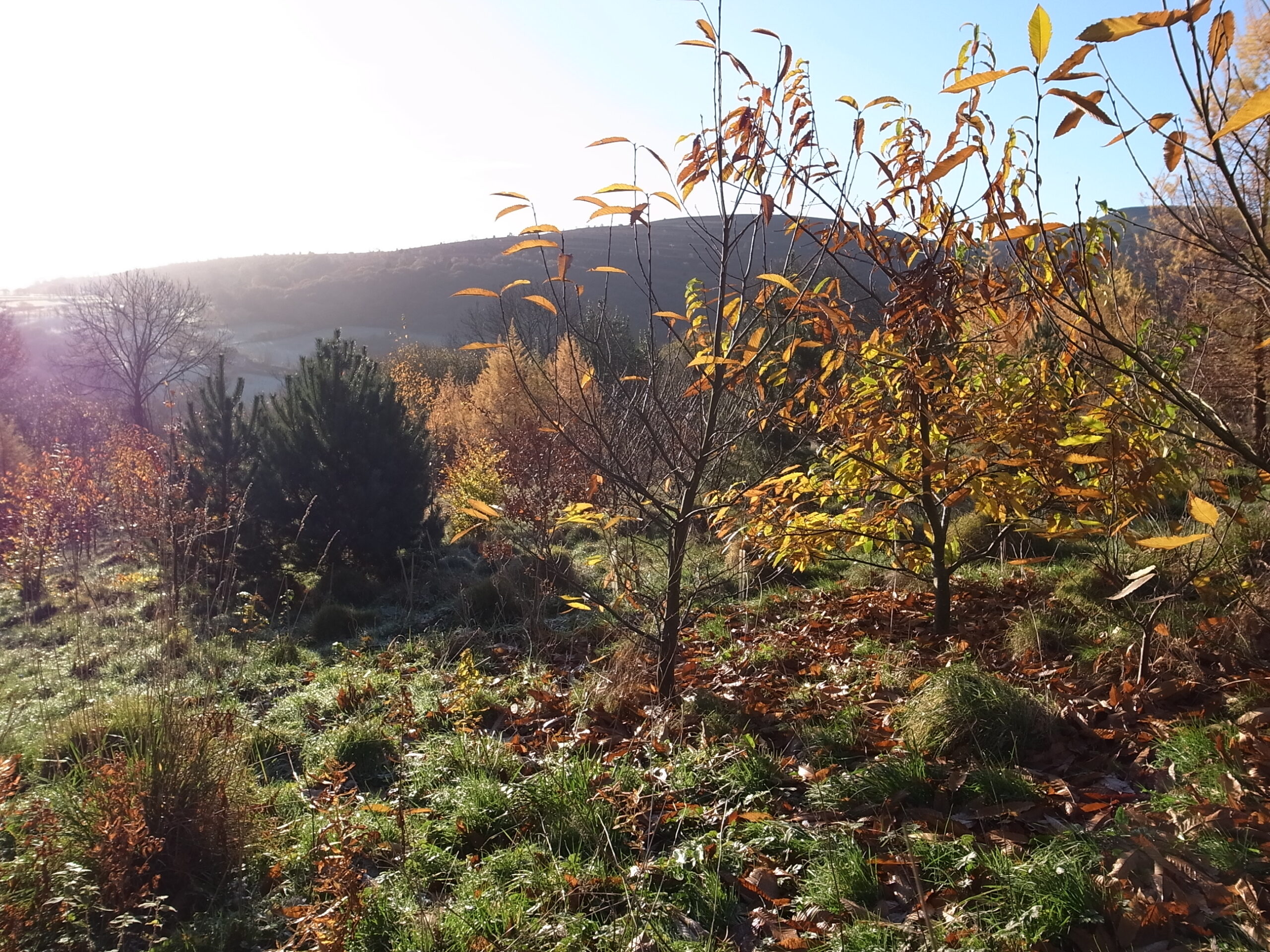
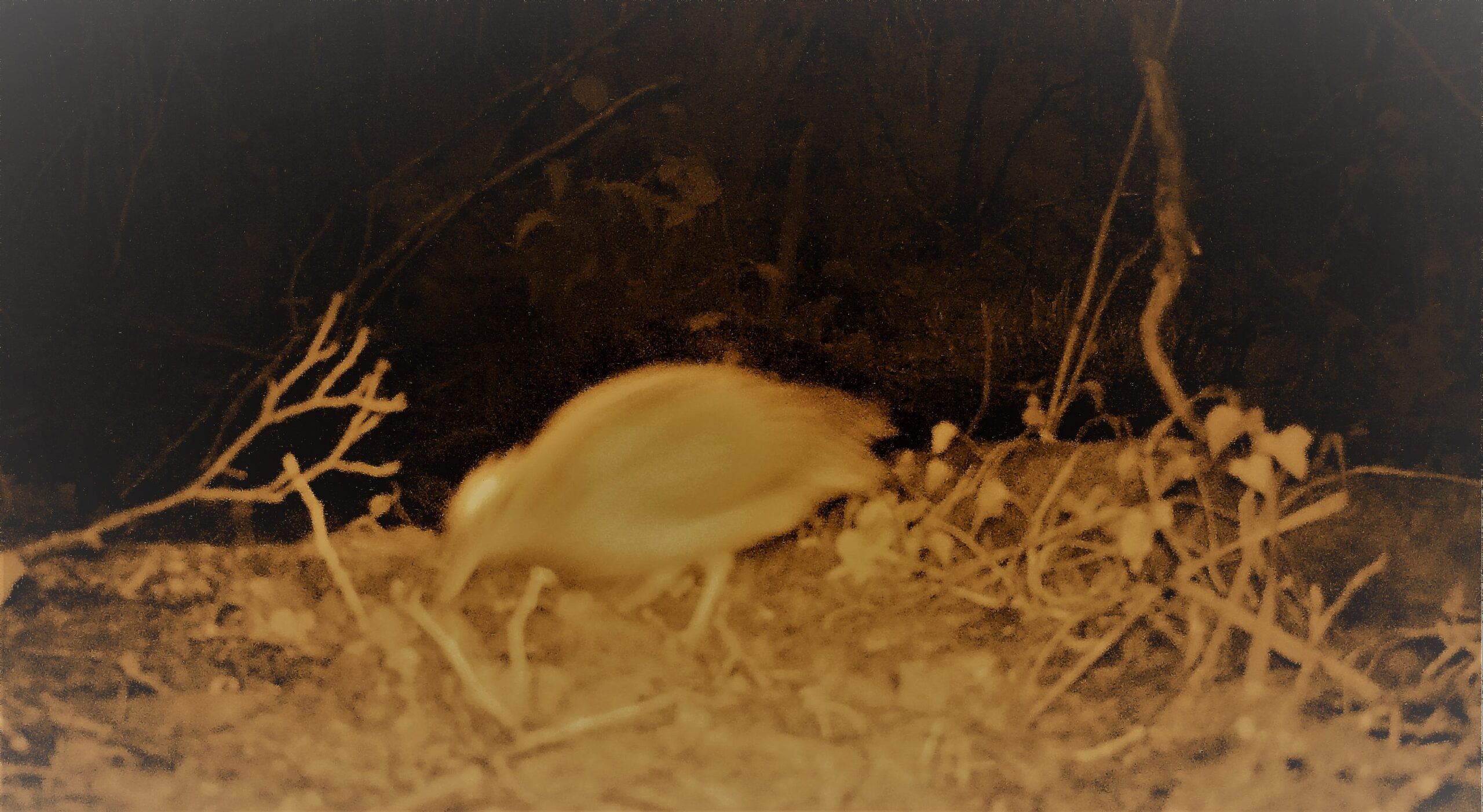
Light drops fast in the countryside on these winter eves. Silent crepuscular woodcock fly from the wood to open pastures to probe for earthworms using the sensitive ends of their long bills. Our resident birds are joined in November by a hungry influx from Siberia — one was even found exhausted on a street in Birmingham. These doe-eyed waders are rarely seen except by hunters and those who venture into wild thickets.
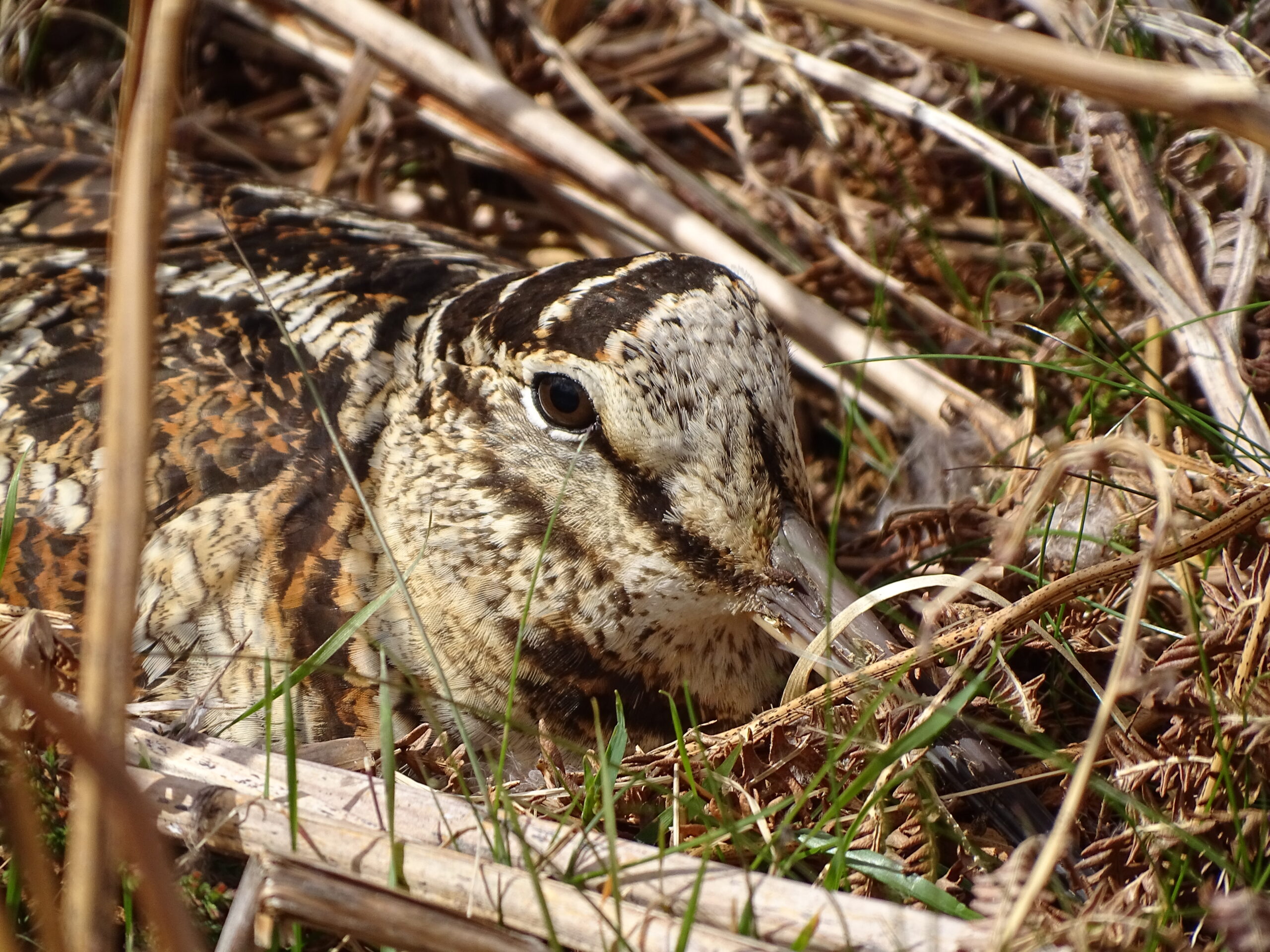
Scientists are intrigued by woodcock. The Game and Wildlife Conservation Trust has its own dedicated expert; Dr Andrew Hoodless has spent countless cold nights trapping woodcock and gently fitting satellite tags to record their extraordinary migrations. One, named Monkey, has been tracked, over a two year period, travelling 12,117 miles to and from his summer habitat in northeast Russia — closer to Japan than the UK. I hope my young mixed-species wood provides shelter for woodcock
in the future. You can follow the tagged birds at woodcockwatch.com.
We are island dwellers and should breathe a lungful of sea air at least once a year, for the rewards are great.

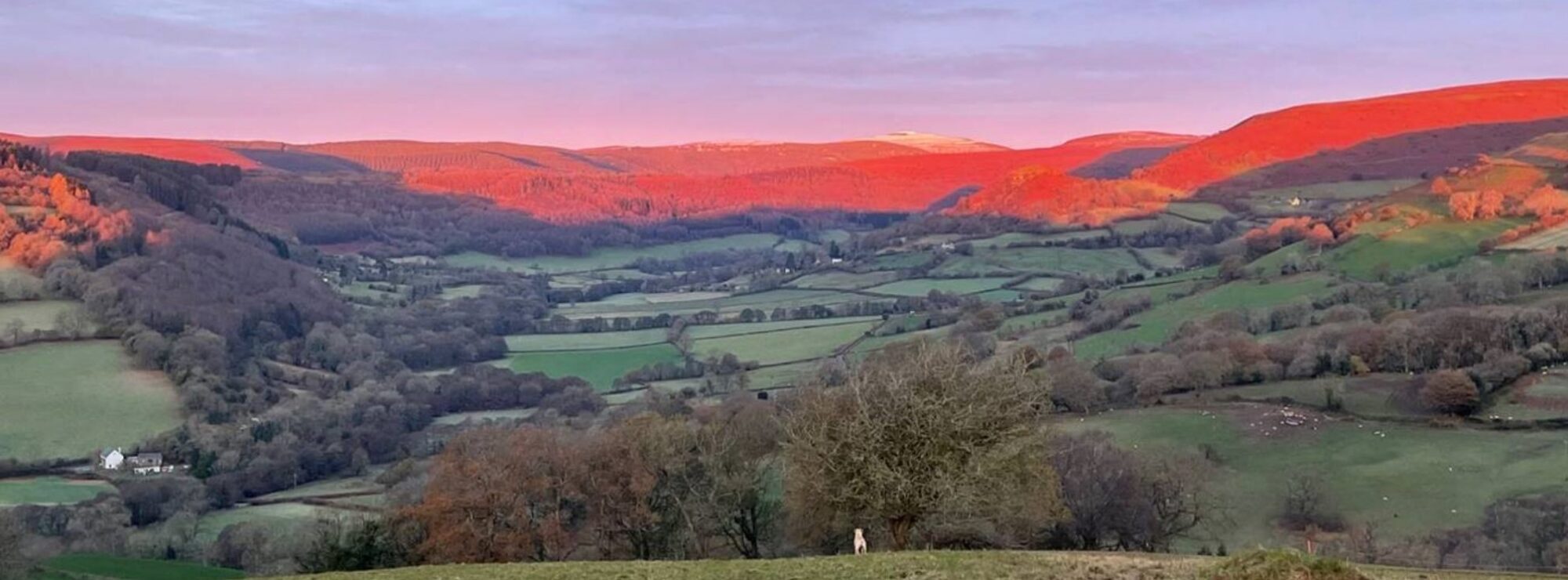
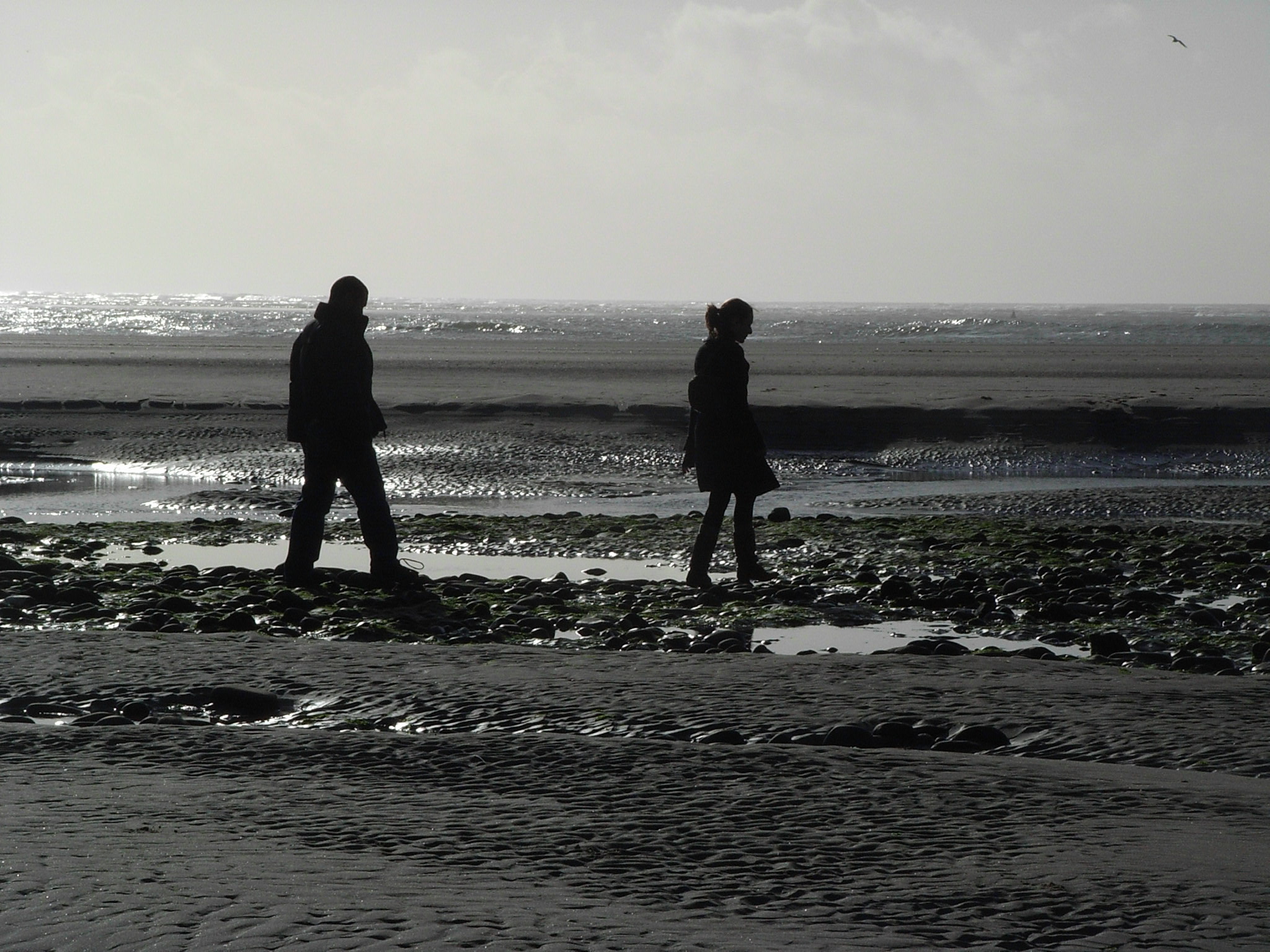
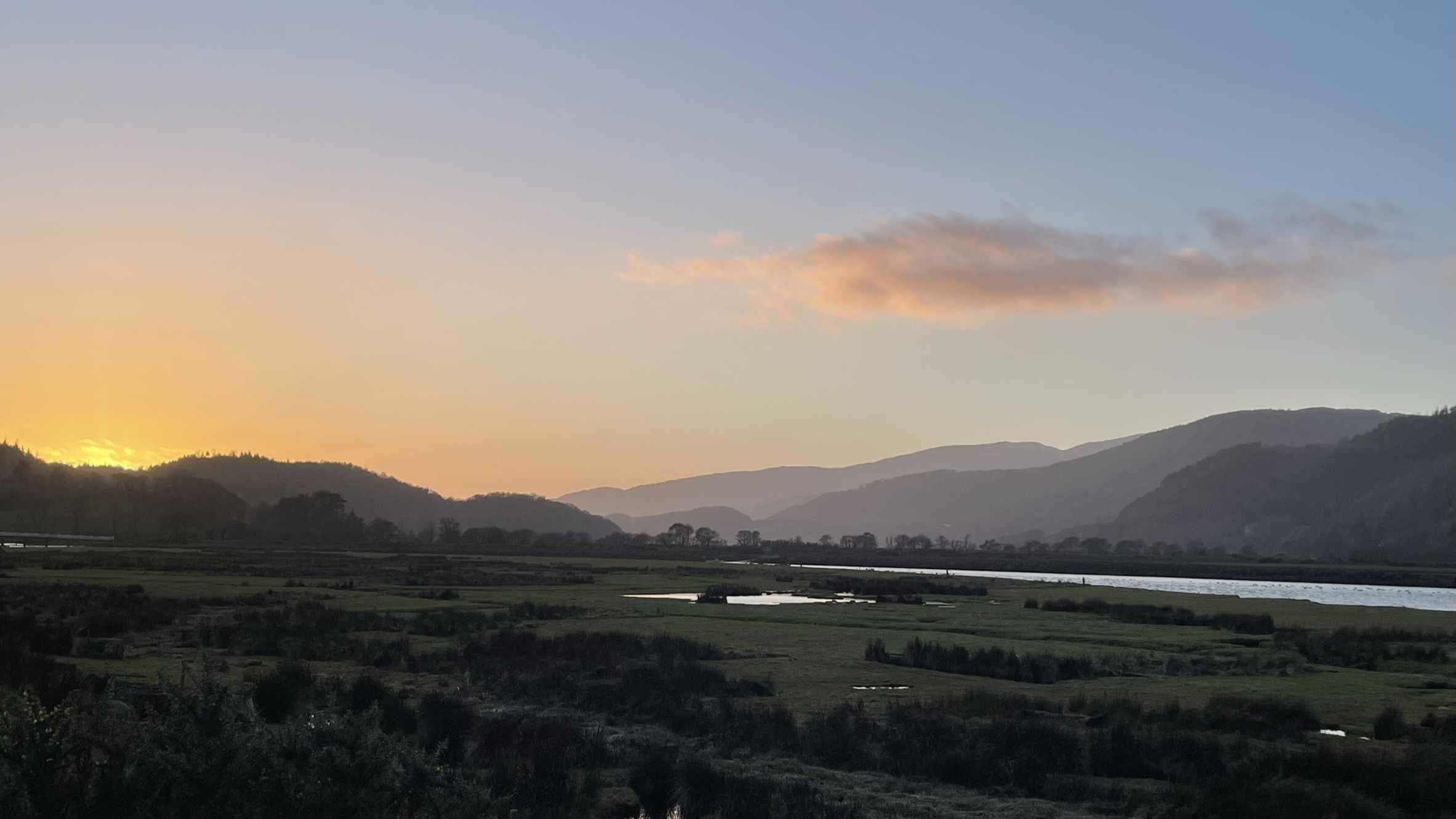
As winter closes in, the estuaries are filling with life and early morning is the best time to hear nature in all its glory, like a stadium before a concert. My Celtic roots draw me to a tongue of river that carves its way through the craggy outline of southern Snowdonia. John Masefield’s words echo in my head as I stride out into a southwesterly gale across the salt marshes of the Mawddach estuary:
I must go down to the seas again,
for the call of the running tide
Is a wild call and a clear call that
may not be denied.
The haunting echo of a curlew’s call breaks the dawn, followed by the falsetto of dunlin and ringed plovers; a whistling pack of wigeon whoosh overhead backed up by honking Greenland white-fronted geese on the water front.
If this is all too wild, you could always get up later and, after a pint at the pub at Penmaenpool, saunter across to the old signal box run by the RSPB at its Arthog Bog nature reserve. Now that, in my book, is a right royal box when it comes to hearing the tail-end of the concert unfolding across the estuary.
postscript
My 14 year old woodland has indeed provided an overwintering home to migrant woodcock – mainly because of the evergreen hemlock conifers as per the pic below taken in Jan 2026