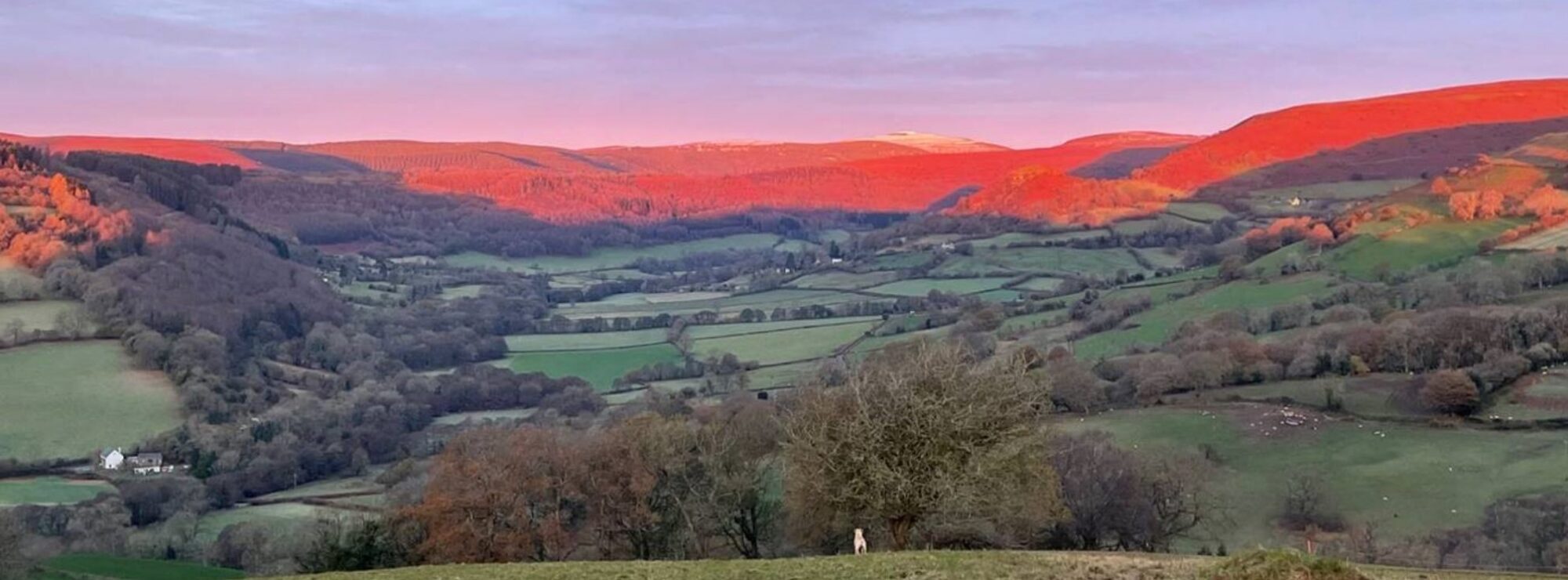
Not a blade of grass goes to waste in Transylvania.
I meet the stare from nine men each with a razor sharp scythe standing on the hill above me. After asking if I have whisky, one of them lets me swing the simple yet perfectly balanced grass cutting implement a couple of times. Stopping to sharpen carbon steel edges with whetstone every few swipes, it’s better to keep blades ‘keen’ than let them blunt.
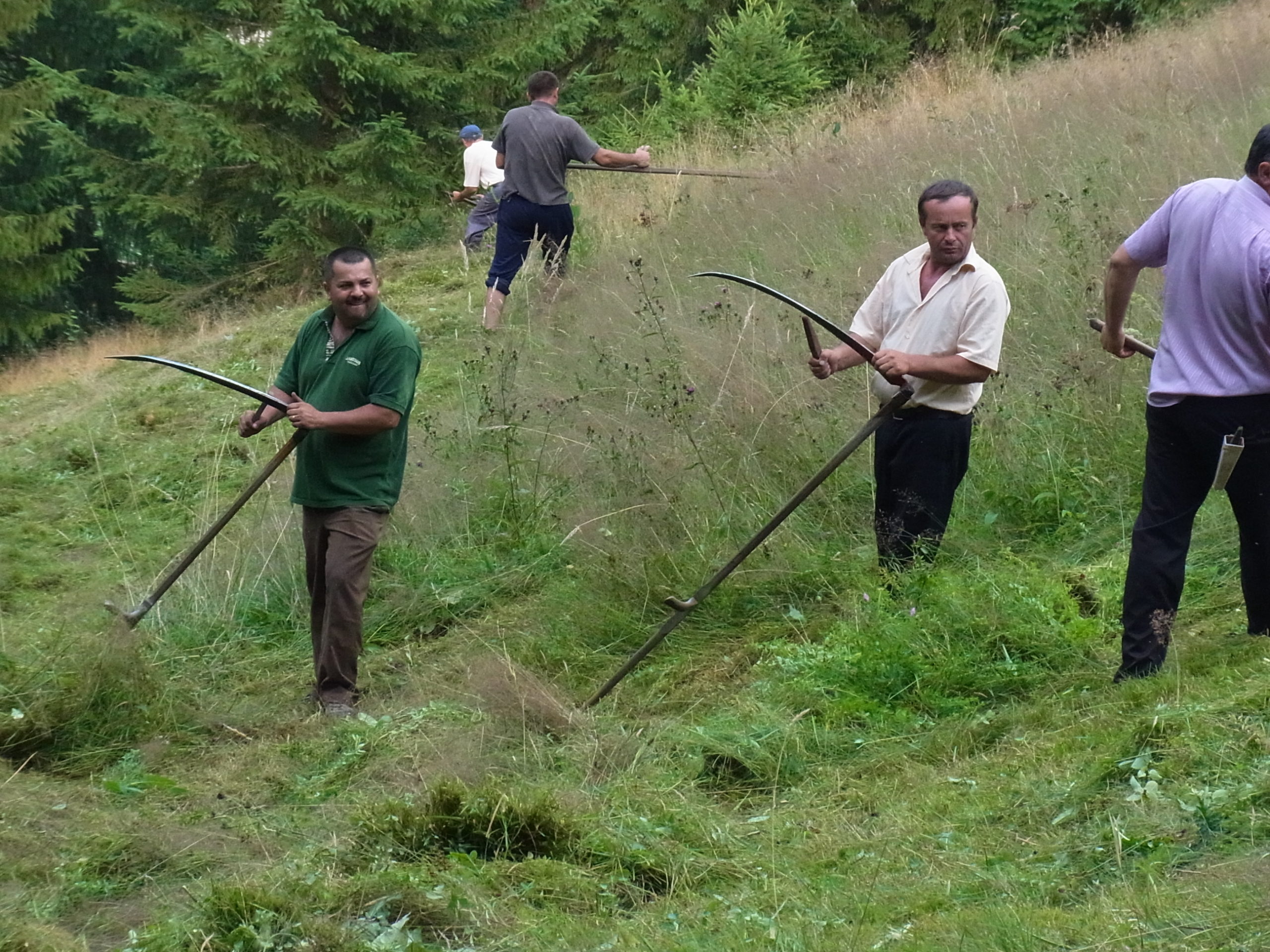
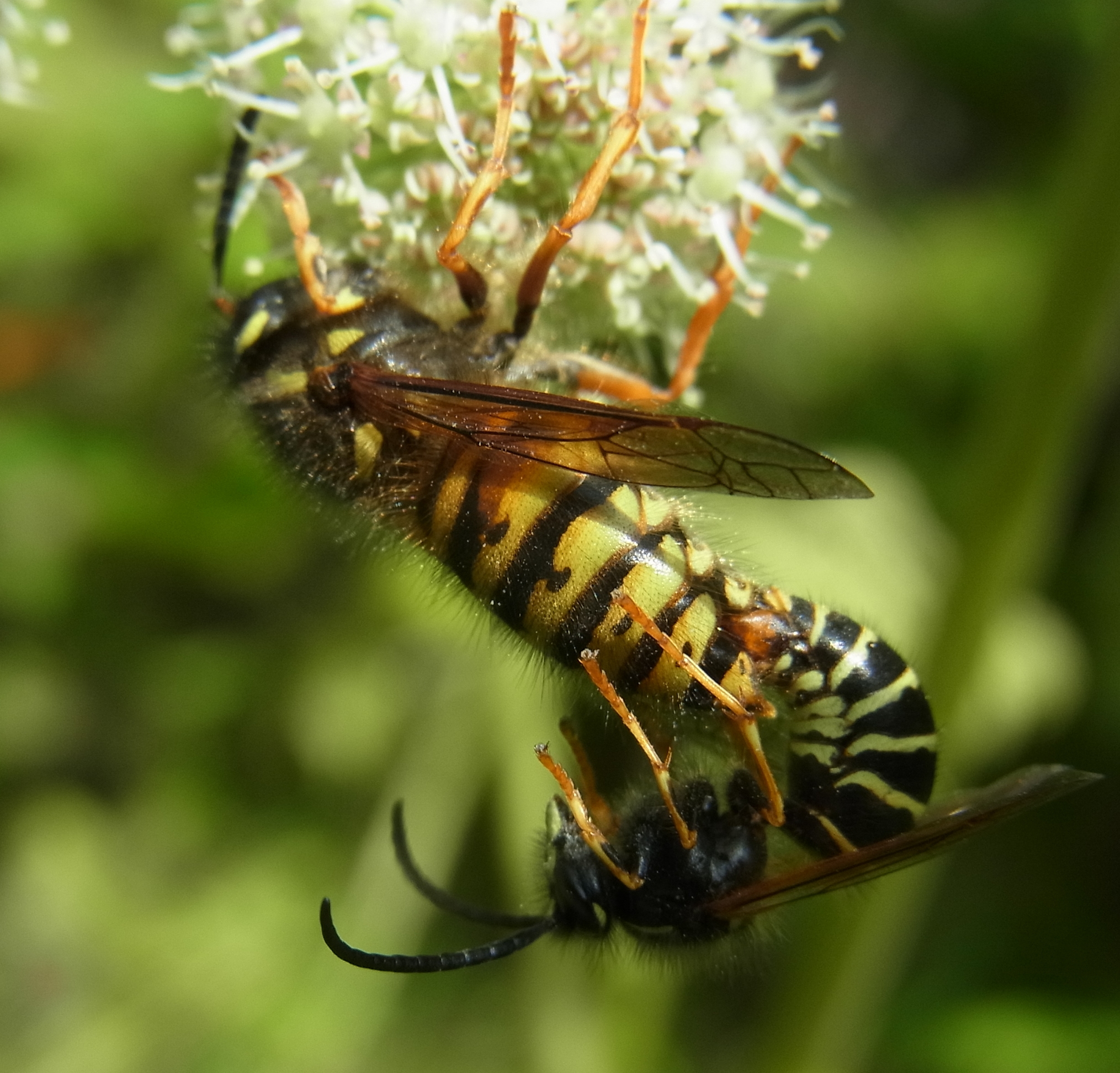
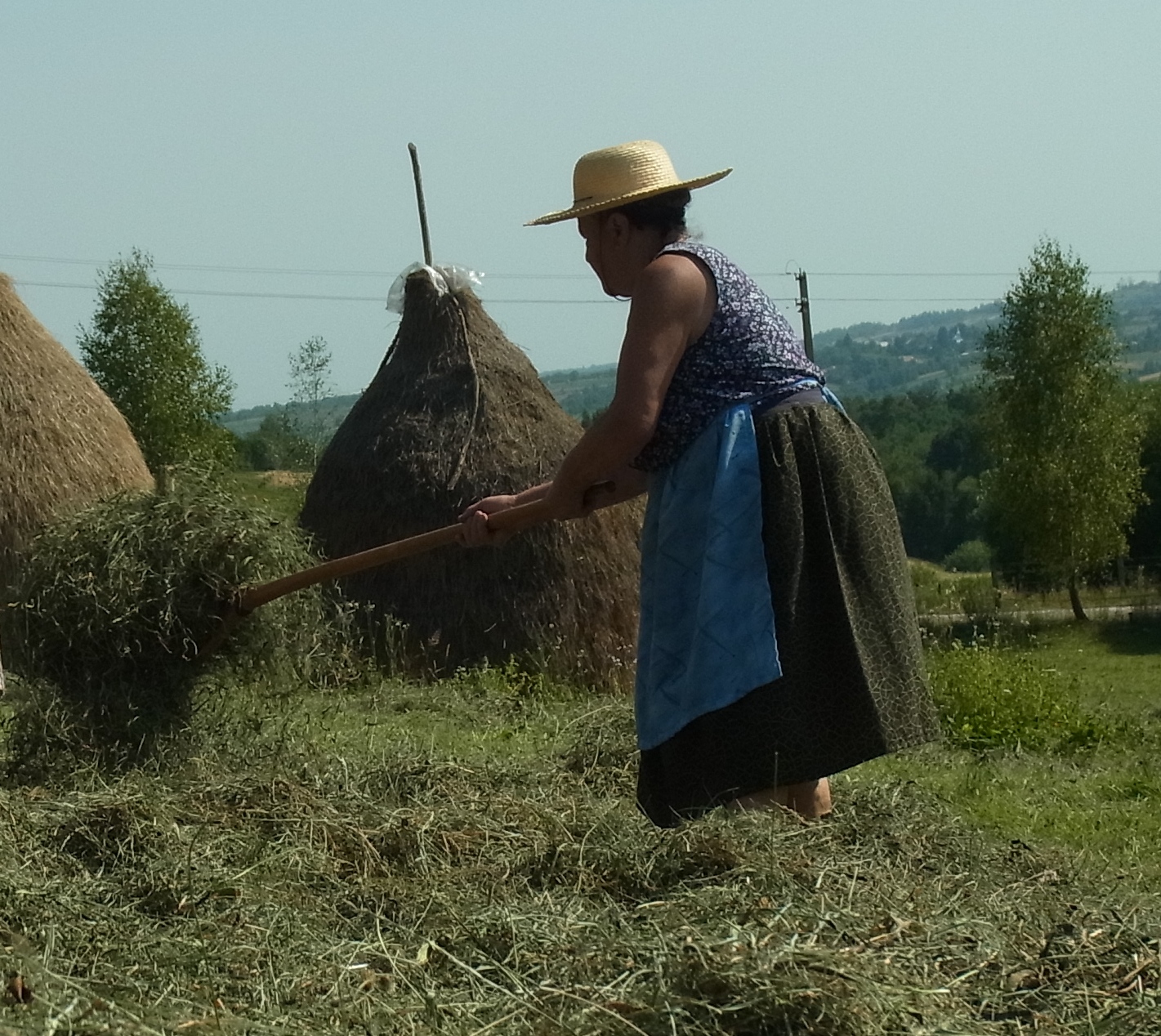
An incline hard enough to walk up, let alone harvest a crop off its undulating slope, no level of investment could justify a mechanised machine to work this meadow. For generations, men cut, and women turn flower-rich hay through long summers. Hot sun soon drives moisture from mown grass, men to drink and bush-crickets to cool greener cover.
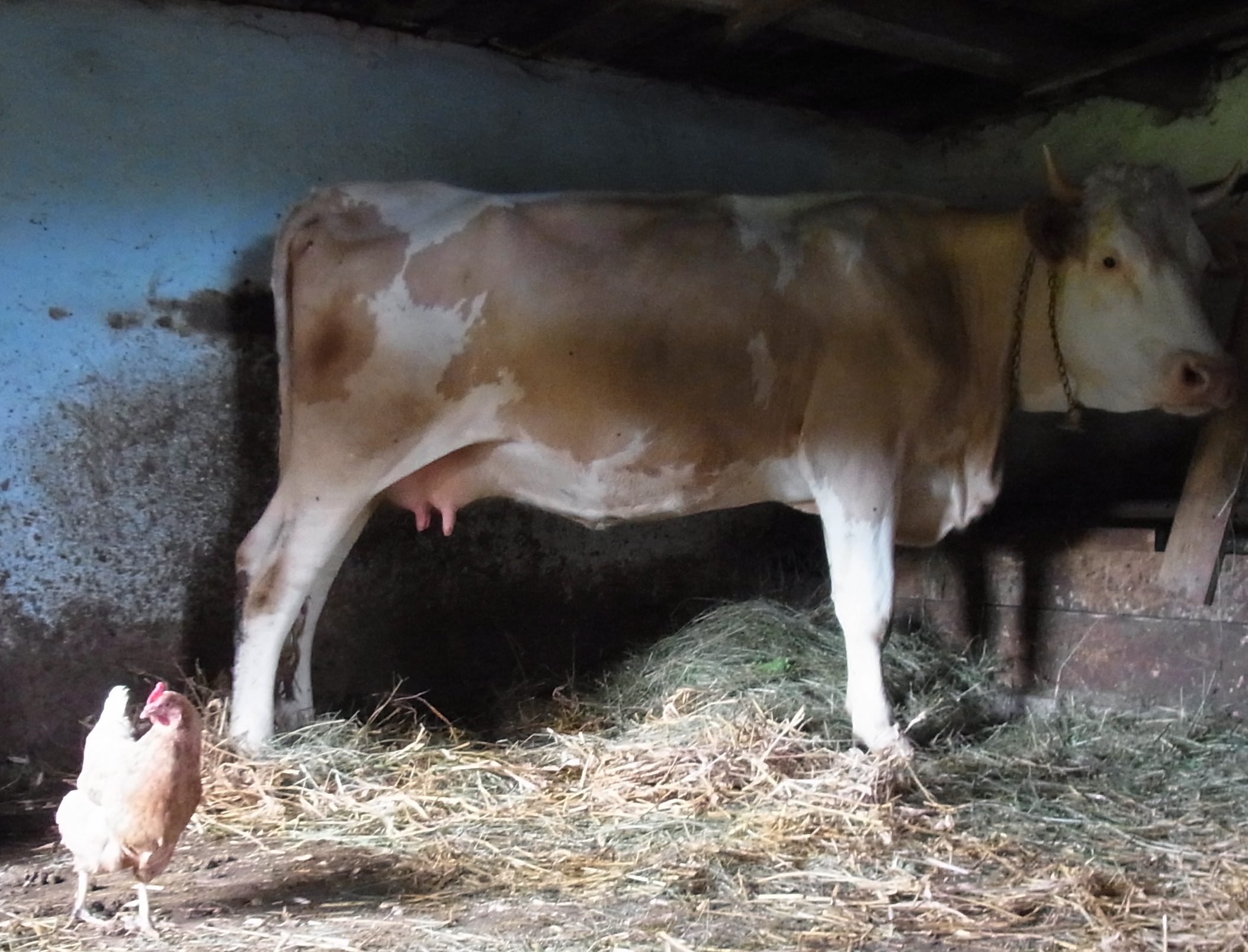
Hay ricks will be heaped later, mounded over birch frames for fodder later in the year by livestock kept penned close to the farmer. Some chickens, pigs and cows are kept indoors all year round – partly for convenience, to keep safe from predators/dogs and also to save the land from being ‘poached’ (damaged by trampling livestock).
Romania, its land area just larger than the UK, has approximately 3.8 million agricultural holdings, of which 74% are under 2 hectares (5 acres) in size over its 13 million hectares of Utilised Agricultural Area.
The UK has around 187,000 holdings, of which only 4.6% are under 5 acres over 17 million ha of UAA. Evidence of Romania’s EU membership is everywhere. Signposts proudly confirm roads built to remote rural communities, timber sawmills funded to improve efficiency and new businesses encouraged to enter the competitive world of agricultural exports.
The number of smallholders – a million of whom received under £950 as direct farm payments – intensively cut meadows (keep woodland at bay), use resources frugally (zero food waste), utilise small plots of land, and undertake transhumance; all of which amalgamated together, cover most of the 60% farmed countryside.
This produces little to feed the country. Any high-value food products are exported which means that 70% of food is imported to feed the wider population not living the bucolic self-sufficient livelihood. This in turn leaves plenty of room for High Nature Value Farming.
It’s a question of which value you value the most.
Seems to be just the thing some environmental “experts” want to see in parts of western Britain and Ireland. An army of scything experts living off the land.
This could happen by either dramatic changes in [public] funding or there is an exodus from the country to the city to then provide a playground for the richer population bringing with them their own issues of litter and disturbance from dogs.