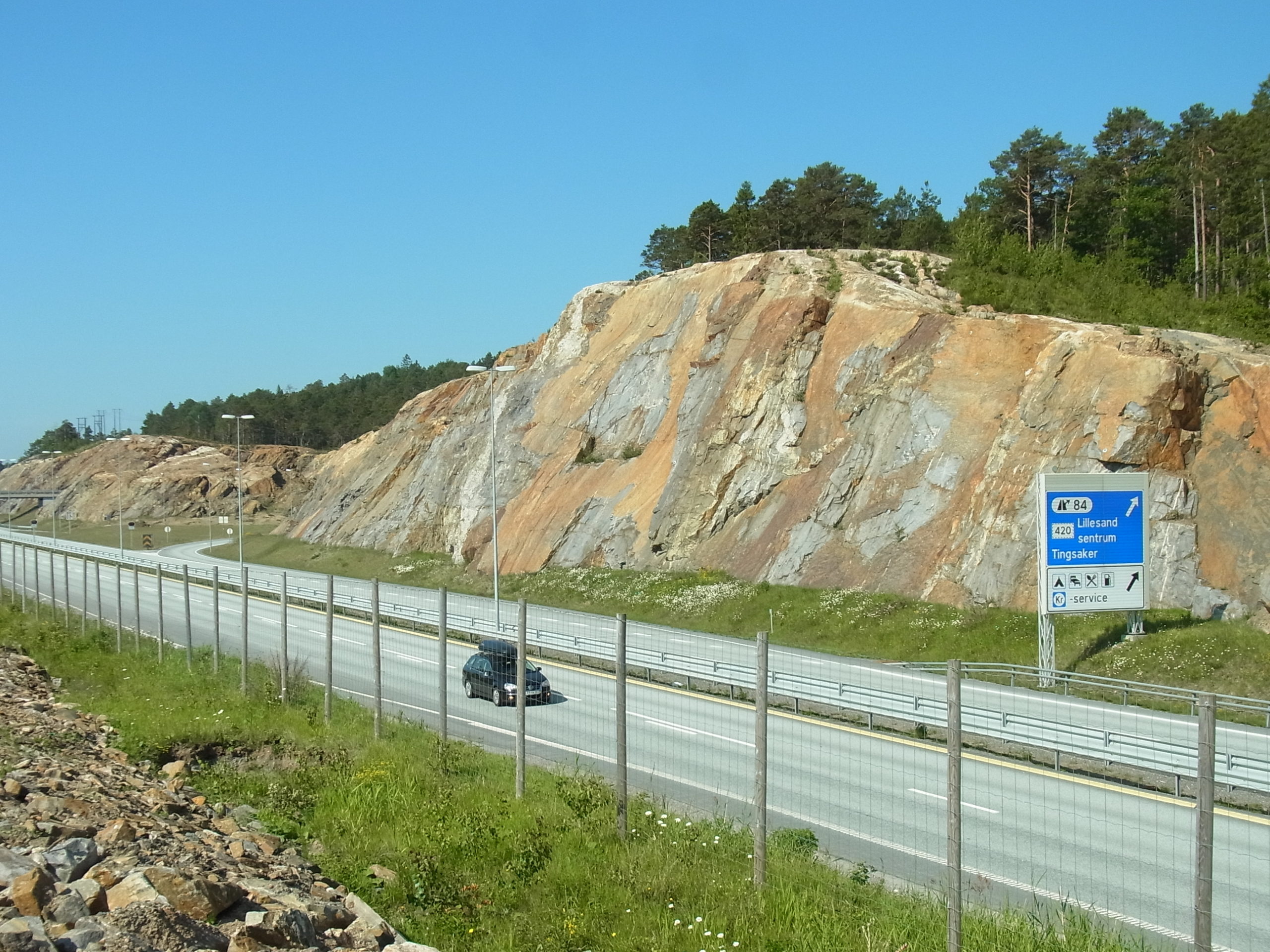
When travelling on highways in some wild places, you can feel hemmed in. That’s because of fencing to prevent wildlife from colliding with humans. In other areas, wildlife thrives in unprotected spaces. (updated June 2026)
Biodiversity Intactness Index
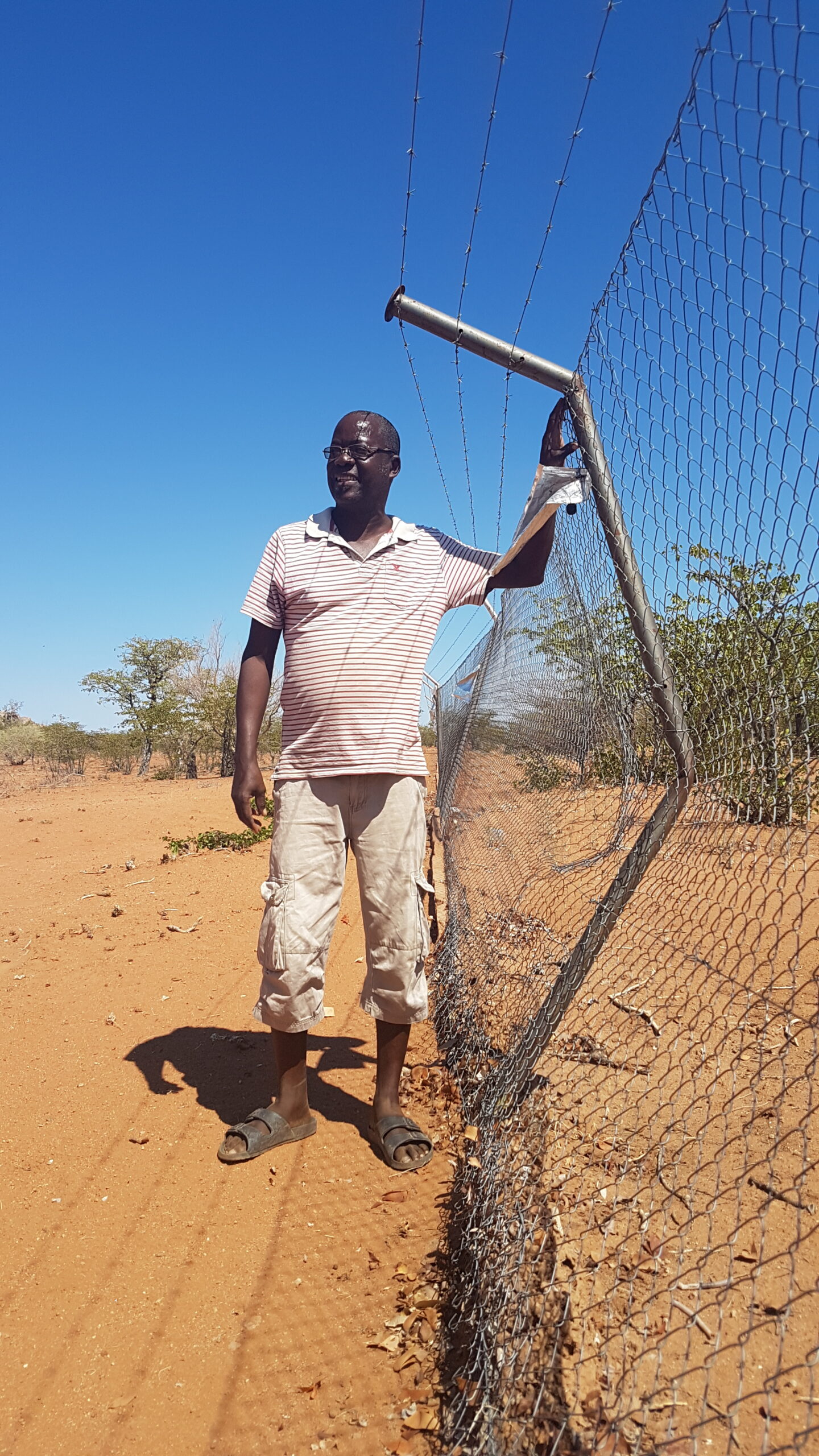
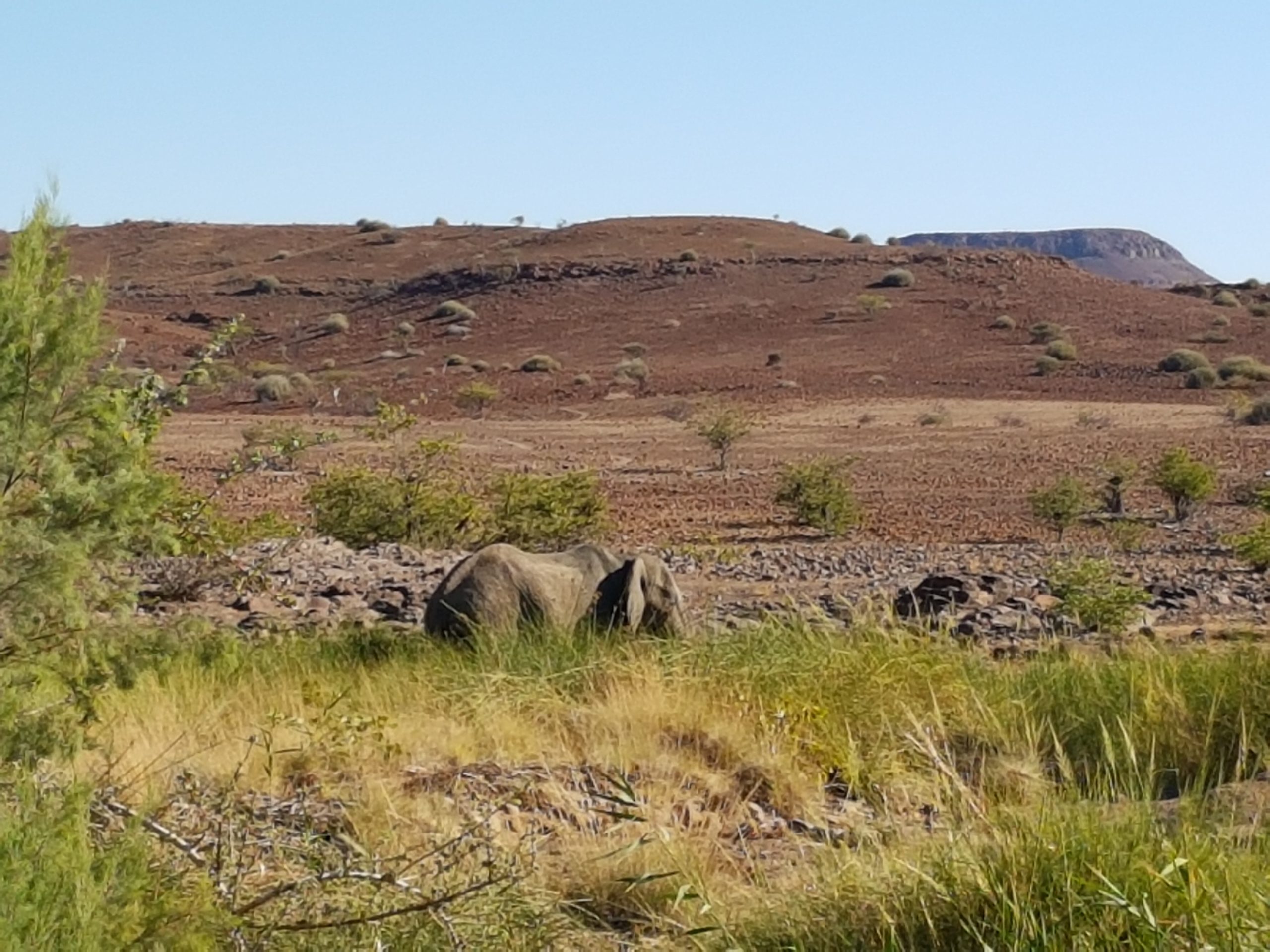
In another country, far down in the southern hemisphere, Namibian wildlife roams free across highways. Not in protected areas, but ranging over unfenced trunk-by-jowl open landscapes shared with humans.
The phrase Biodiversity Intactness Index (BII) first arrived on the scene in 2005 (Scholes, 2005). Based on southern Africa, it sought to create a ‘simple and practical’ target, albeit it a ‘high-level synthetic overview for public and policy makers’, to create a baseline of biodiversity. The Nature History Museum has further developed the BII, albeit with this hard-hitting press release, much of this now seems to have been archived.
Though not before the creation of the phrase ‘nature-depleted‘ headline; perfect for a press briefing of the media prior to the launch of the UK State of Nature report, 2016 (page 5 for ‘suggestive’ headline and page 69 BII). The genie is now out the bottle in the wielding of this ‘context-free’ phrase while seeking to engage both the wider disengaged public in nature and keep engaged land practitioners ‘in the room’ for delivering the nature.
Small print conservation
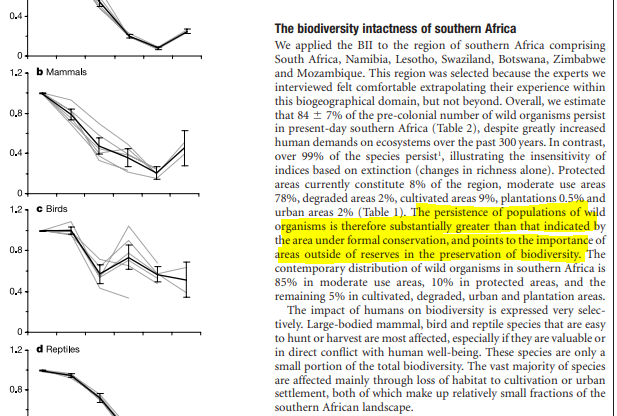
As Scholes highlighted in 2005 (extract below), intact biodiversity often thrives within unprotected areas. Far from prescriptive precautionary regulations and ‘fortress conservation’, local communities have an interest in proudly conserving their wildlife, nurturing it – even if they also sustainably manage/hunt it – a matter acknowledged byCOP15 in Dec 2022 consolidated, albeit obliquely under 23 Targets (see Targets 9 and 4).
Designation beware
If we want humans to be removed or airbrushed from past human-influenced ecosystems, or overemploy the phrase ‘nature-depleted’ (too often without context), we risk losing the bigger prize – better conservation of, and co-existence with, nature.
*update March 23: CBD’s COP15 got this (even if mainstream media chose to simplify it)
n.b. the natty titled ‘Other Effective area-based Conservation Measures’ (OECMs) offers a solution towards increasing ‘effectively conserved and managed’ areas for nature. [The bold word, and action, is important.] A UK govt link here and research (2026) here on the social impact (with a 90 sec vlog from me here). Watch this space!
Postscript
This blog is dedicated to the late Prof Dame Georgina Mace with whom I corresponded on various conservation issues, including this; “Excellent article and well done for getting this in The Field [Magazine]. I fully agree that these are difficult but soluable [sic] problems, but that they require some vision and leadership, and less entrenchment! Best of luck with it.”

onwards (Linnean Soc April 2026)