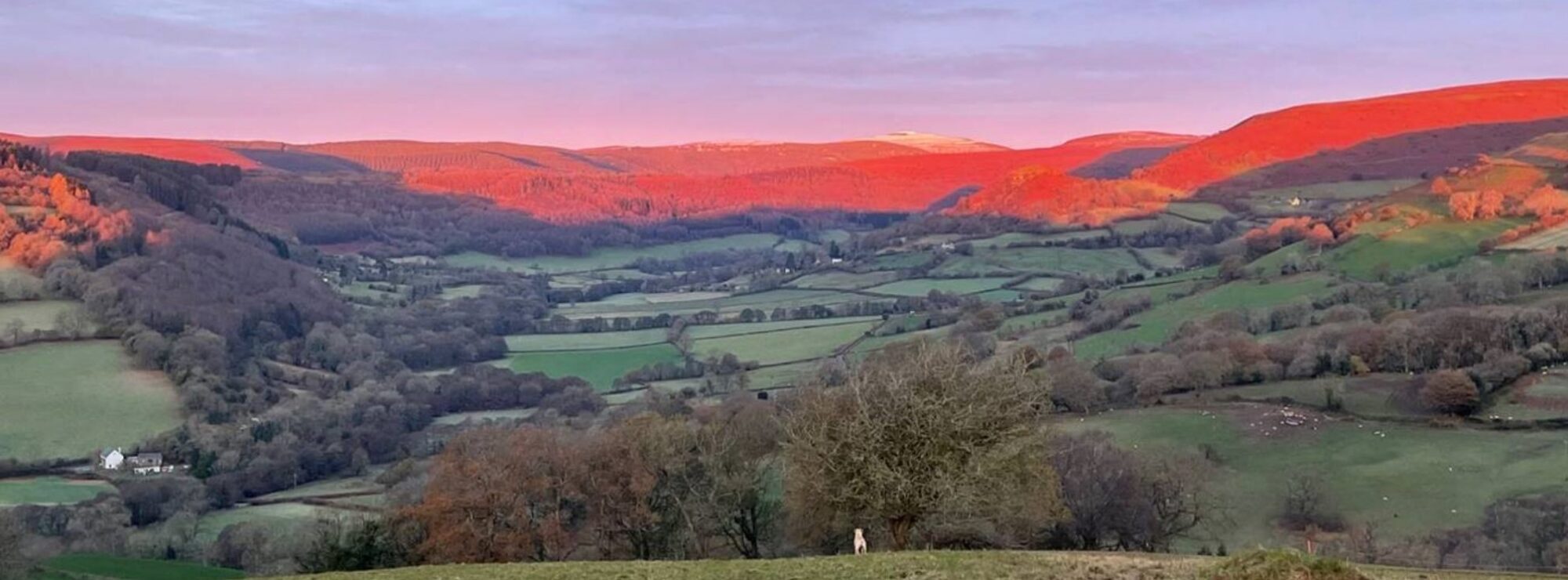
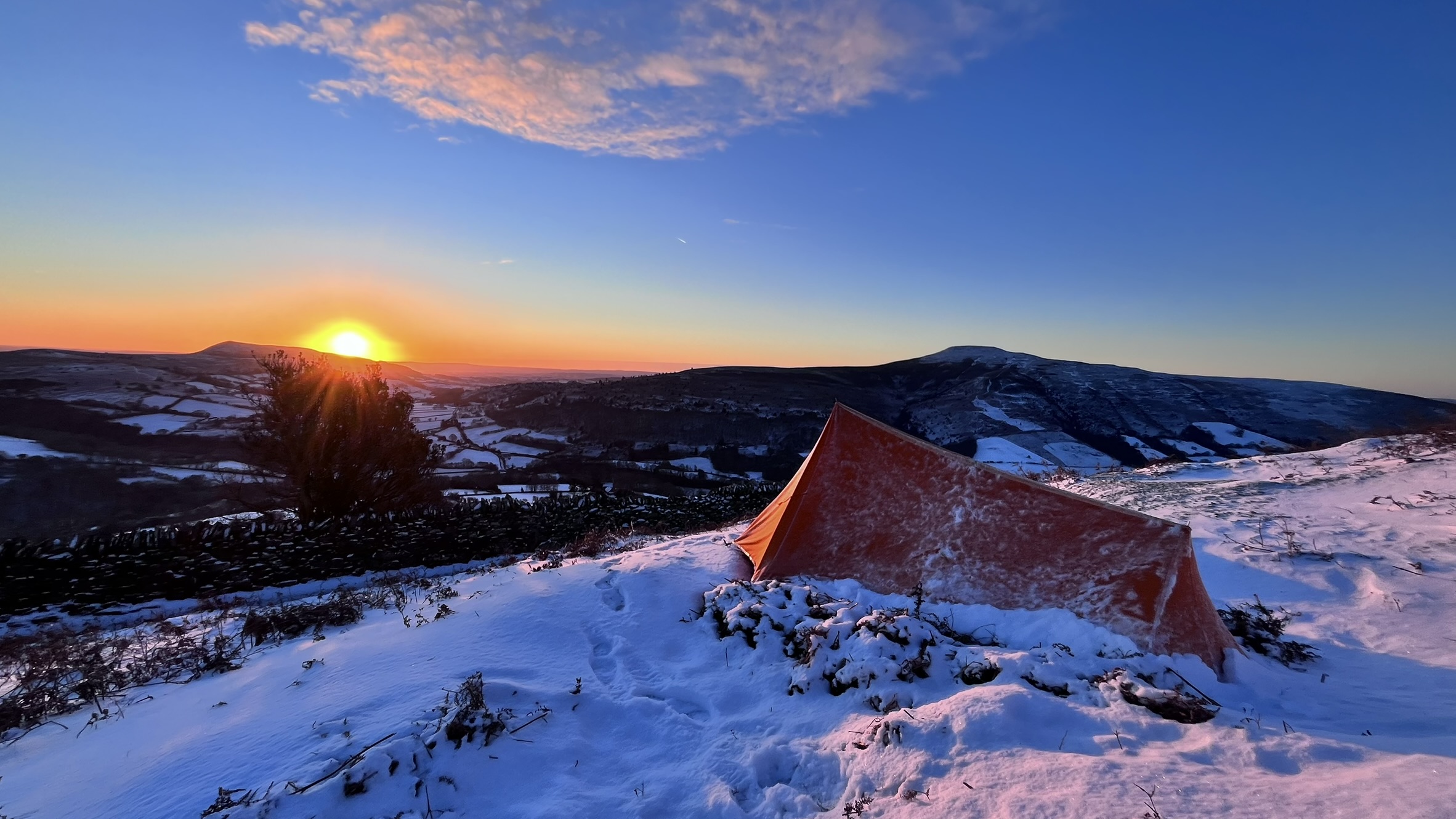
post Wolf moon
In my 60th year, after a couple of nights under snow and ice, I explore some of the thinking going on ‘out there’. Even if this might complicate my argument or challenge my prejudices, with ‘radical’ grace as in finding the space to do so (as per this podcast).
Forest diversity
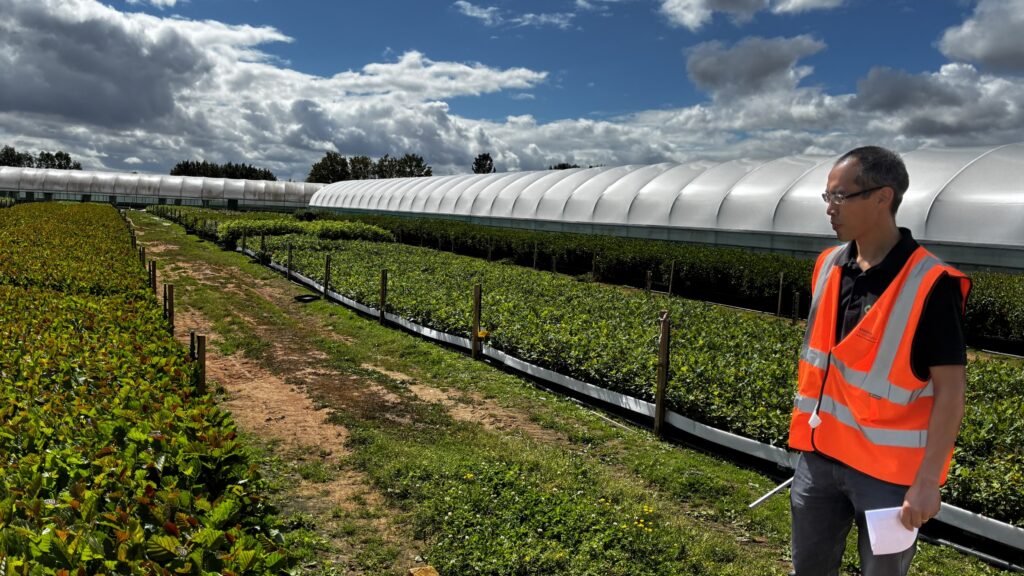
The establishment of trees in the UK is time-labour-sensitive complex issue few recognise when delays in signing off forestry planting plans and weather pitch against government targets for increasing tree cover.
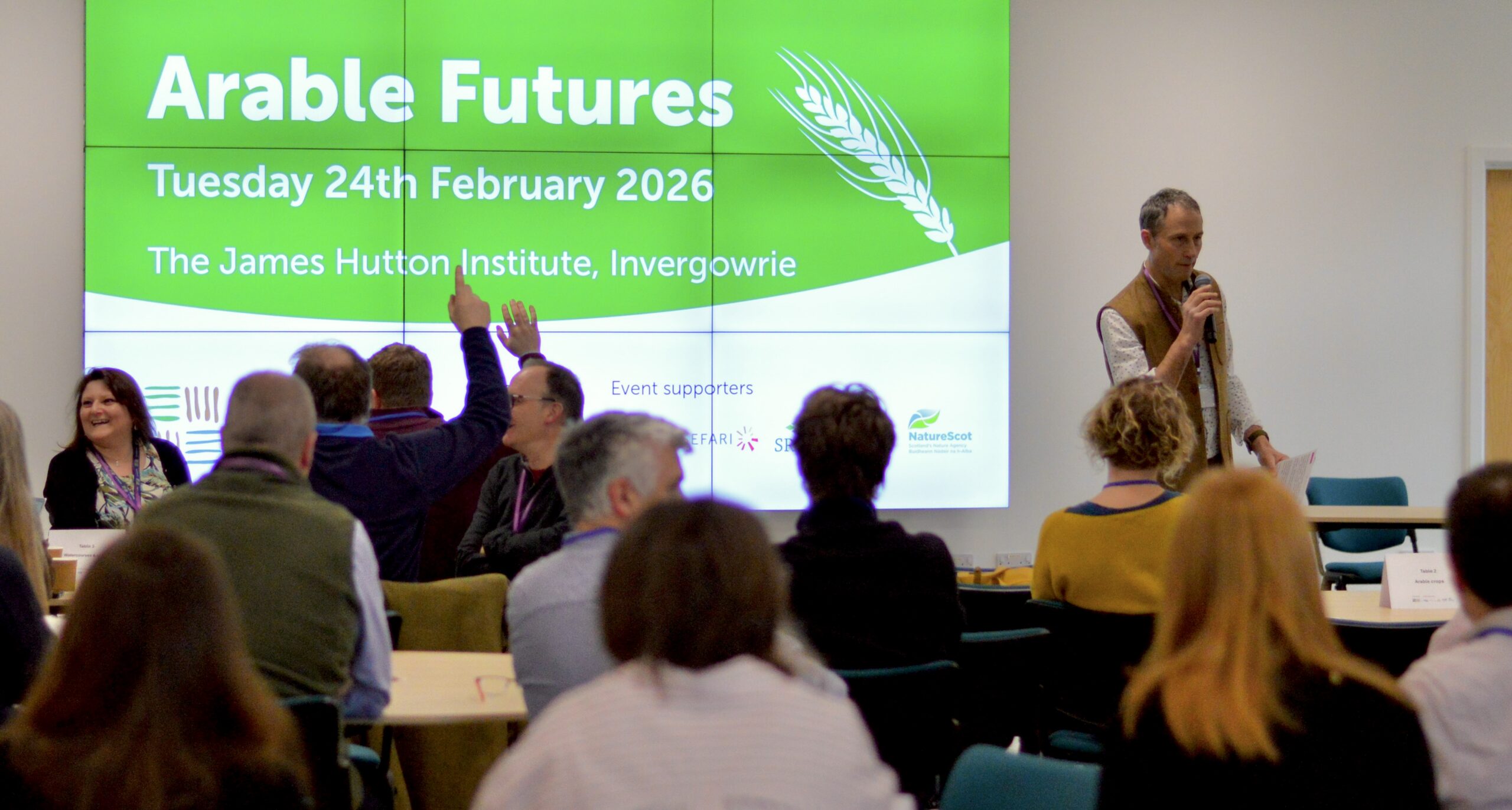
Arable Futures
An annual event at the James Hutton Institute was framed in a more audience interactive way. This included a panel of younger generation ‘challenging’ the room with questions around future issues for arable farming in Scotland.
Woody walking festival
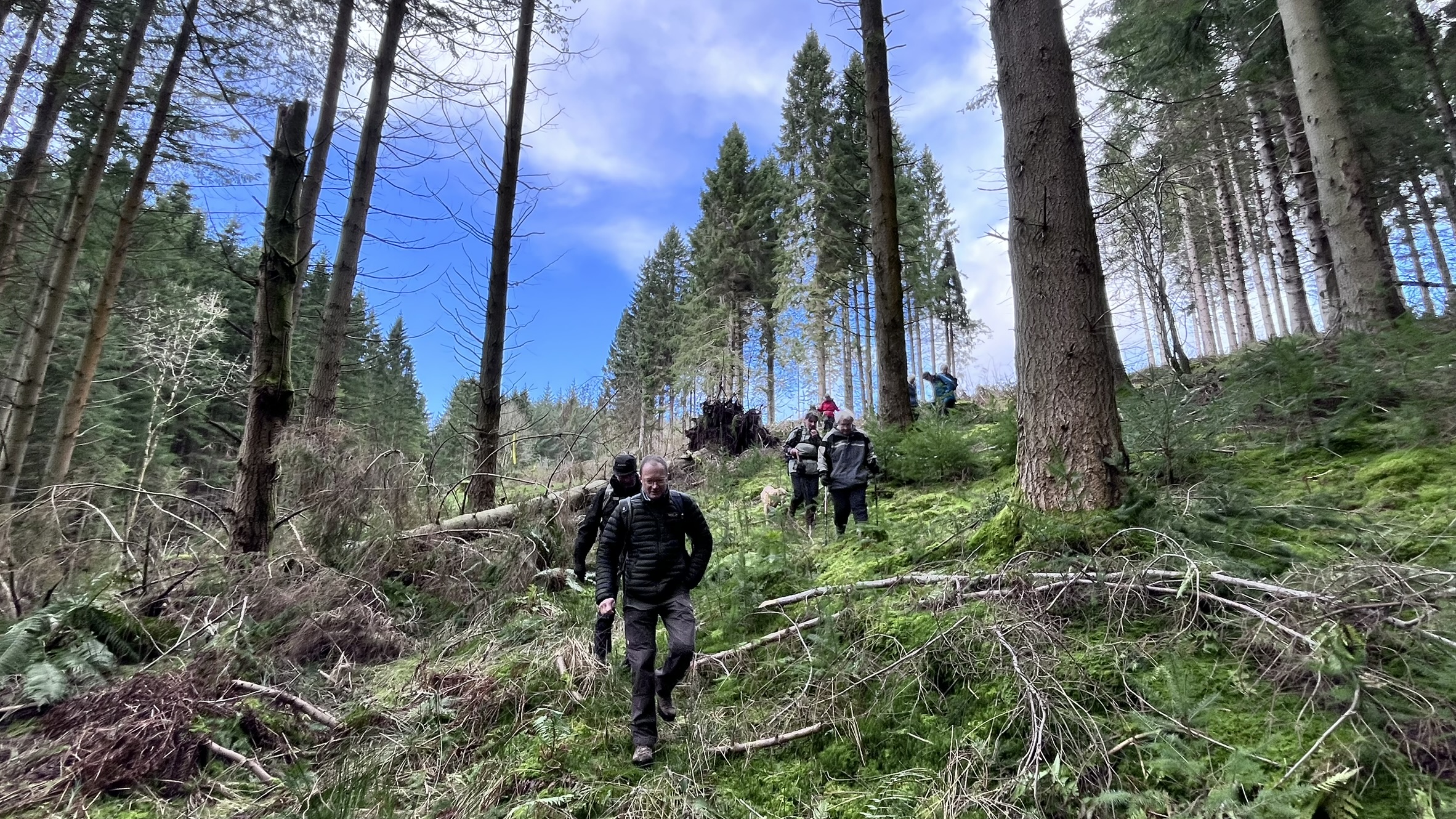
Setting context for a diversity of tree species, the wildlife keen on eating trees, alongside various outputs required from woodlands, helps explore, while walking, often gnarly issues without kneejerk responses.
Gate to the north
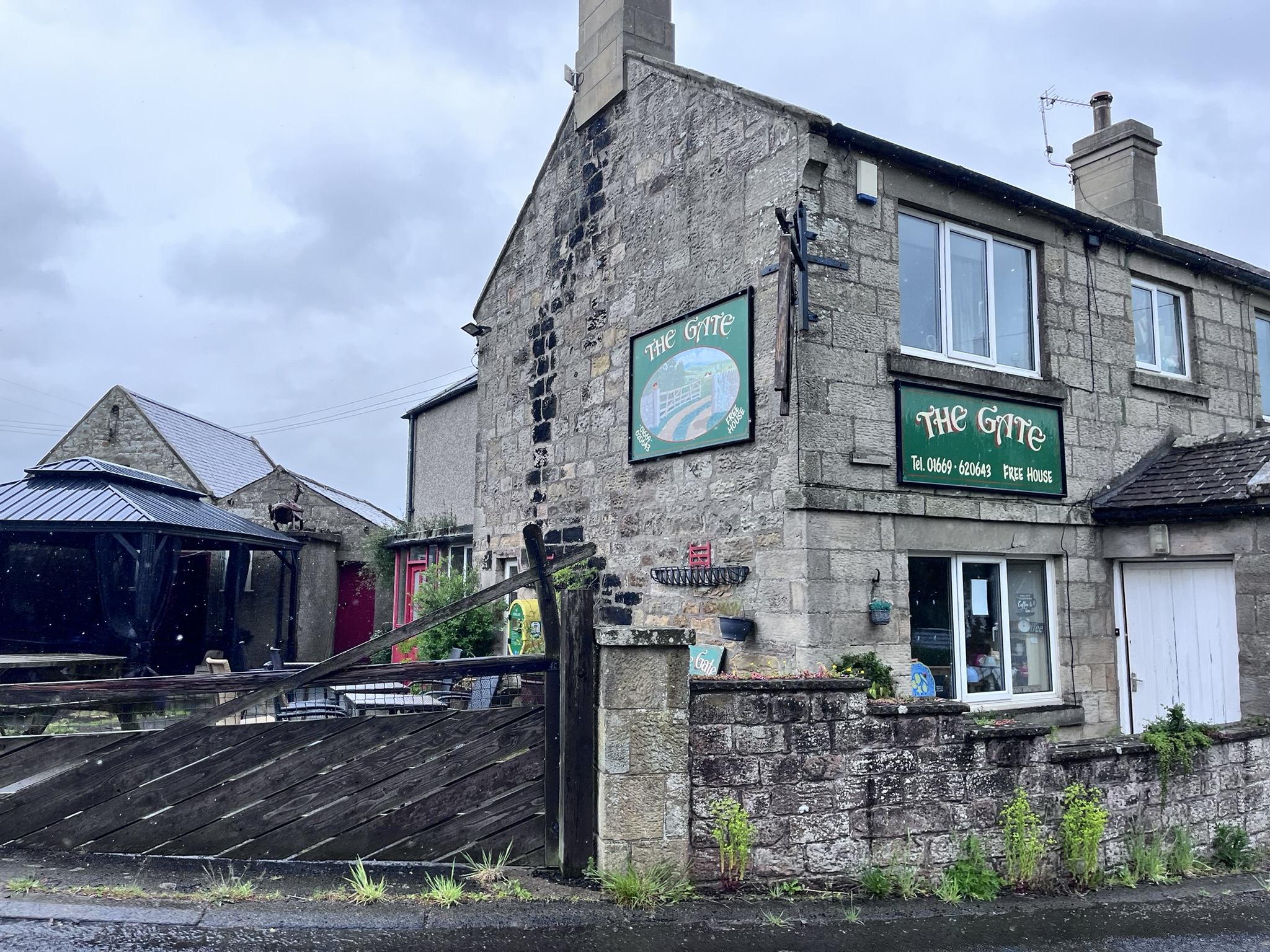
A northern trip took in areas around Rothbury in Northumberland. Tea and cake with a local farmer and a drive-around with the Wildlife Trusts’s onsite manager, gleans more intel than a newspaper headline.
Grade 1 peat
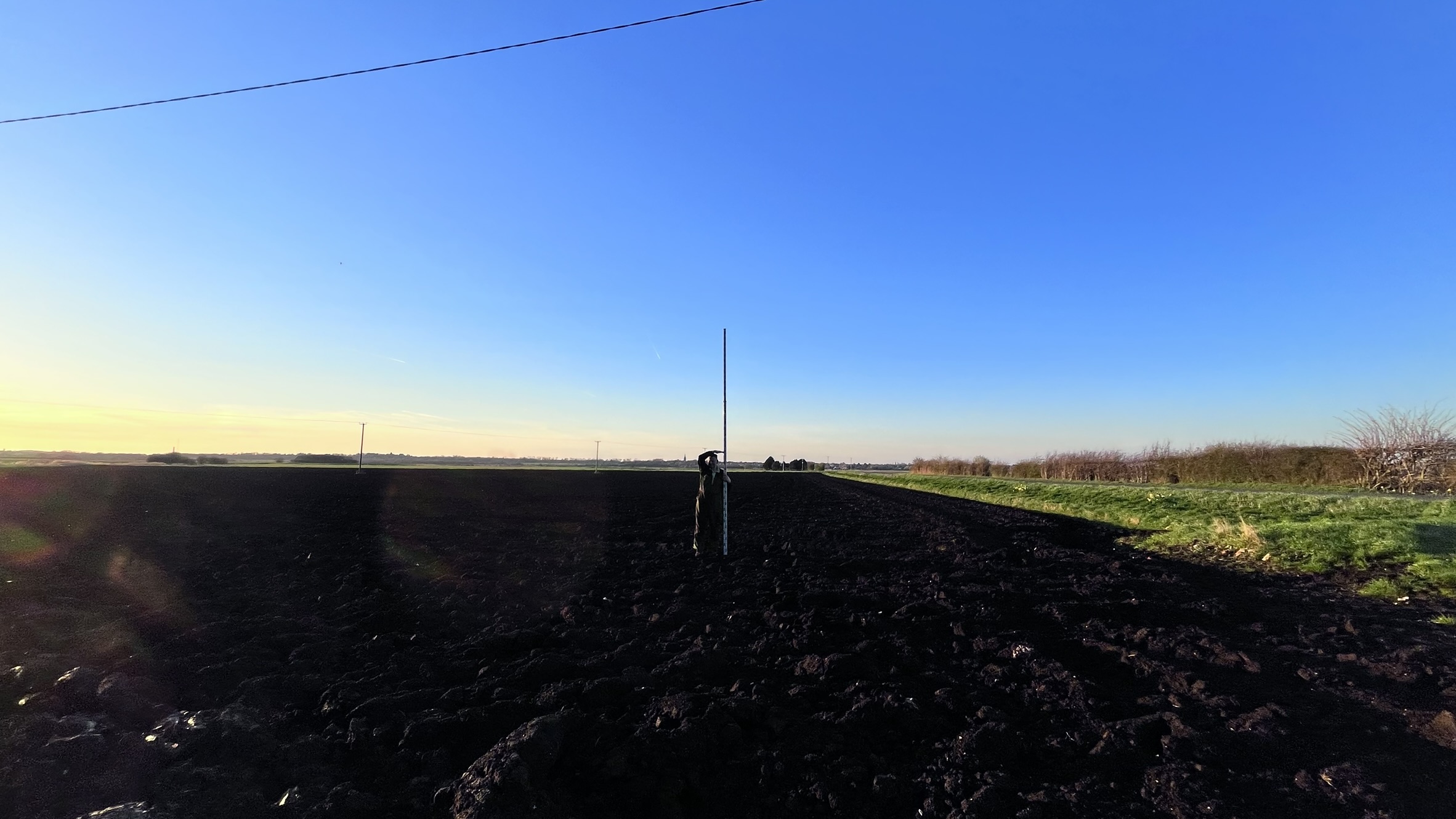
Driving through the Fens, I stop for a chat with a farmer near the lowest point in the UK (Holme Posts). The picture below needs few words…or perhaps it does in reflecting the soil loss over 40 years of this farmer’s experience of farming BMV (Best and Most Versatile) Grade 1 soil.
BMV may not just be for food production, perhaps in areas, better rewetted for holding onto carbon?
Curlew ‘farming’
Back up north, there’s a patch of the Yorkshire Dales heaving with ground-nesting waders of conservation concern; even if the minor public road is hardly heaving with birdwatchers. I won’t say how the land is managed, as you can find that out for yourself.

London wildlife
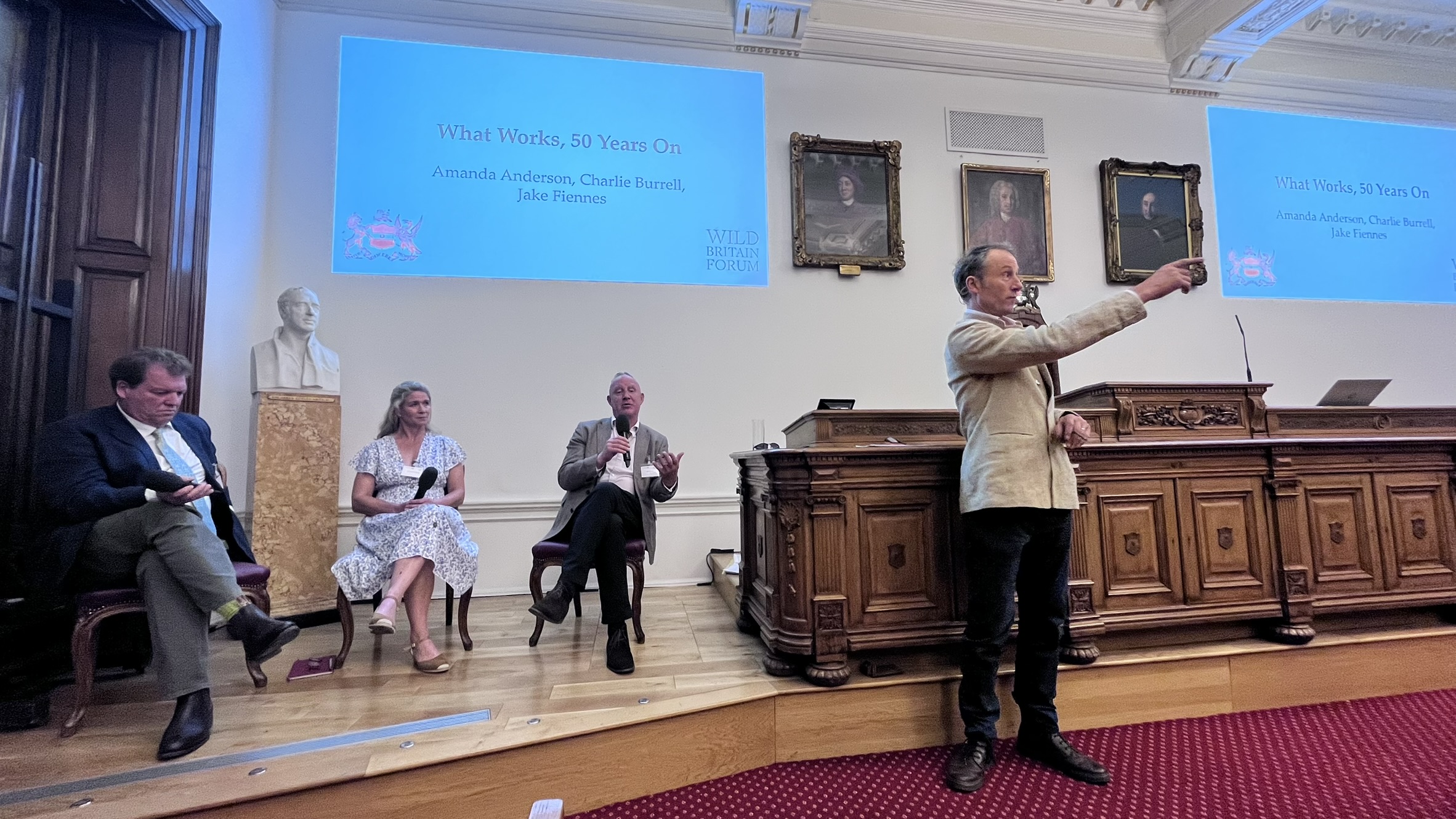
Helping put this nature restoration event together and then moderating the day, with strict ‘house rules’ was fun, if challenging. While plenty of people want to be on the panel (Gow and Goldsmith), other people need to be in the room to create dynamic dialogue out of which unscripted opportunity can often be forged.
Herts and minds
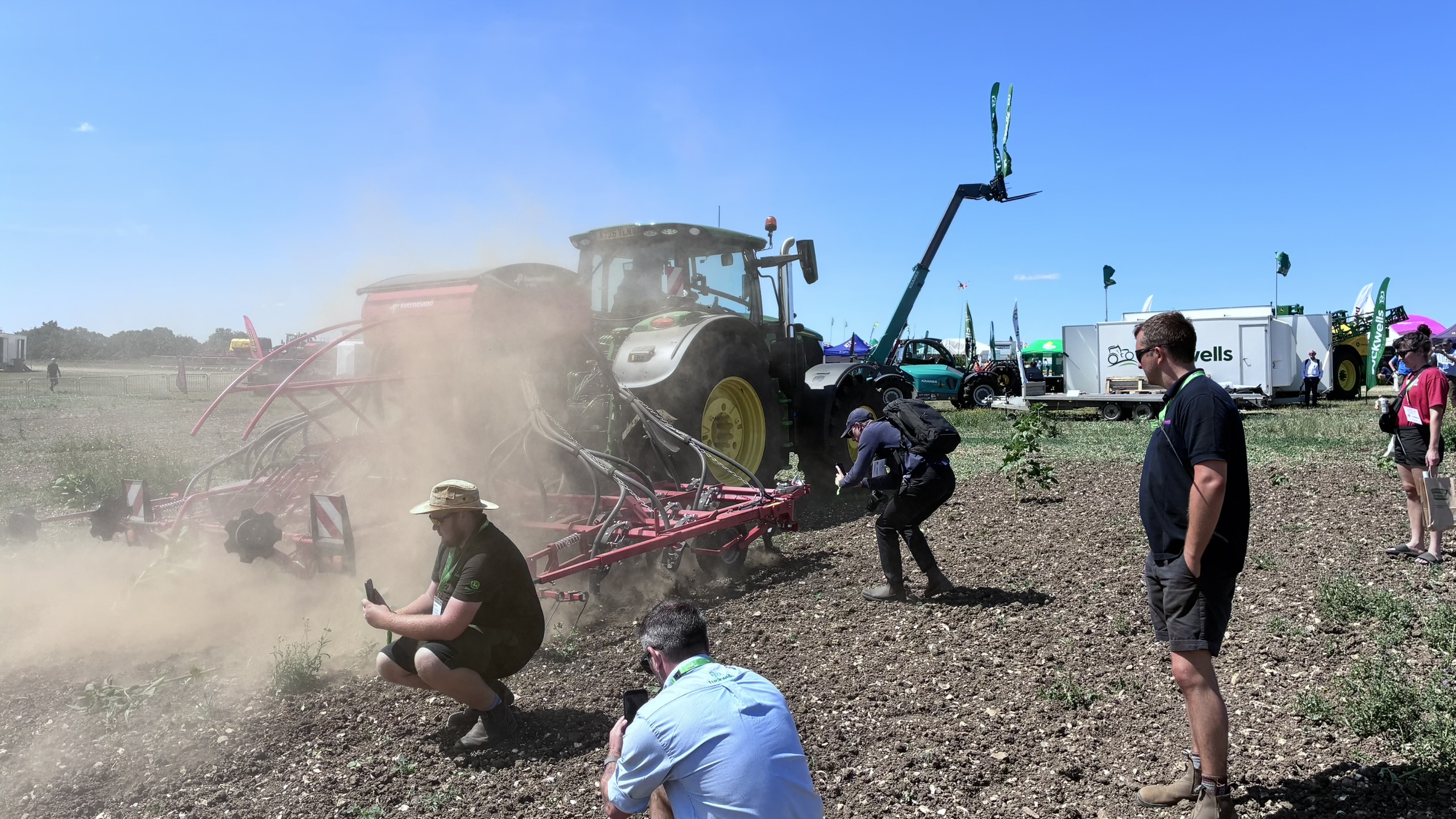
Groundswell celebrated it’s 10th year in hot dusty Hertfordshire fields. There’s no doubt there’s a thirst for knowledge, even if some offerings from both the States and Cumbria were laden with crowd-rousing rhetoric, spiced up with a corporate ‘wildfarmed’ Kitkat….whereas I merely hosted this ‘Dragon’s Den’ session.
Balm on the land
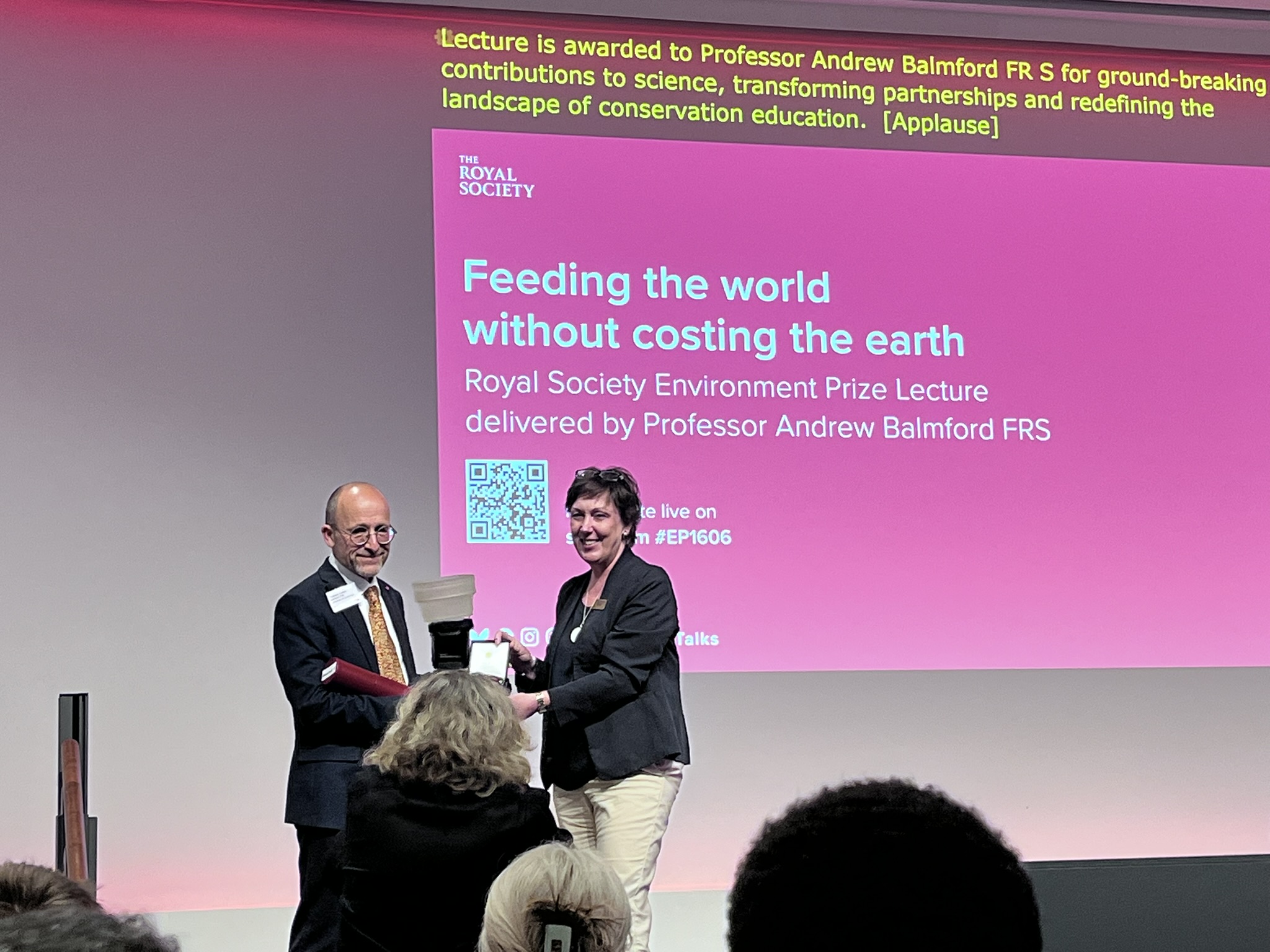
Over at the dust-free Royal Society, a medal was awarded to a professor at the academic ‘front line’ of agriculture and the environment. Far from fields and farming policy, there’s a robust polite fisticuffs over some of the issues.
We may be surprising if you consider both the Land Use Framework and Climate Change Committee propose circa 9% of land being repurposed for non-food producing outcomes (see next heading below).
Beds for wildlife
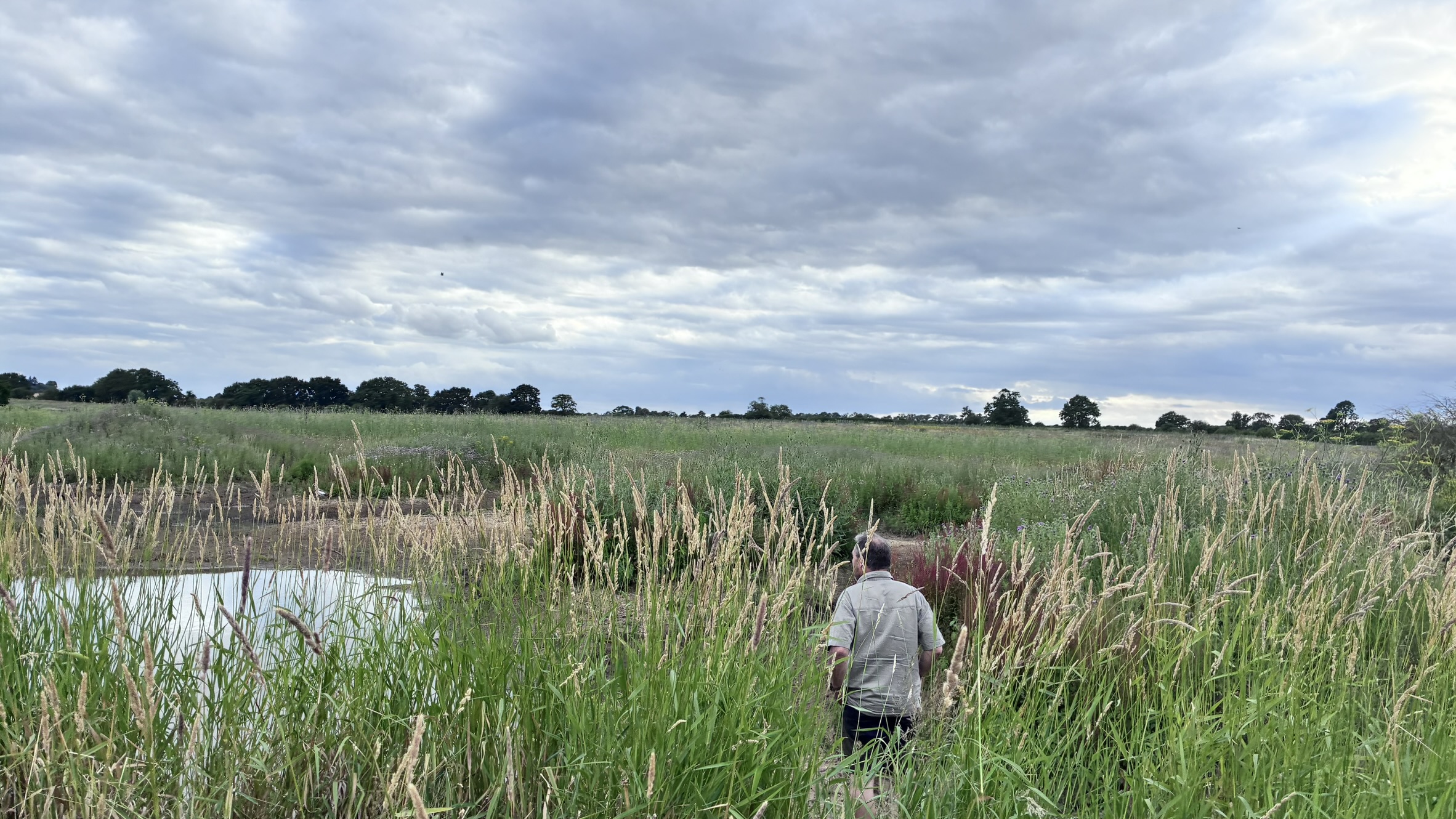
While in some circles it’s fashionable to knock ‘large landowners’, some are quietly creating large scale habitats for ‘wild’ nature. Farmland nature is of course important, but there’s a surprising amount of ‘heavy’ or ‘steep’ land ready to be optimised without threatening to destabilise groaning shelves of ‘food’.
Profitable stocking
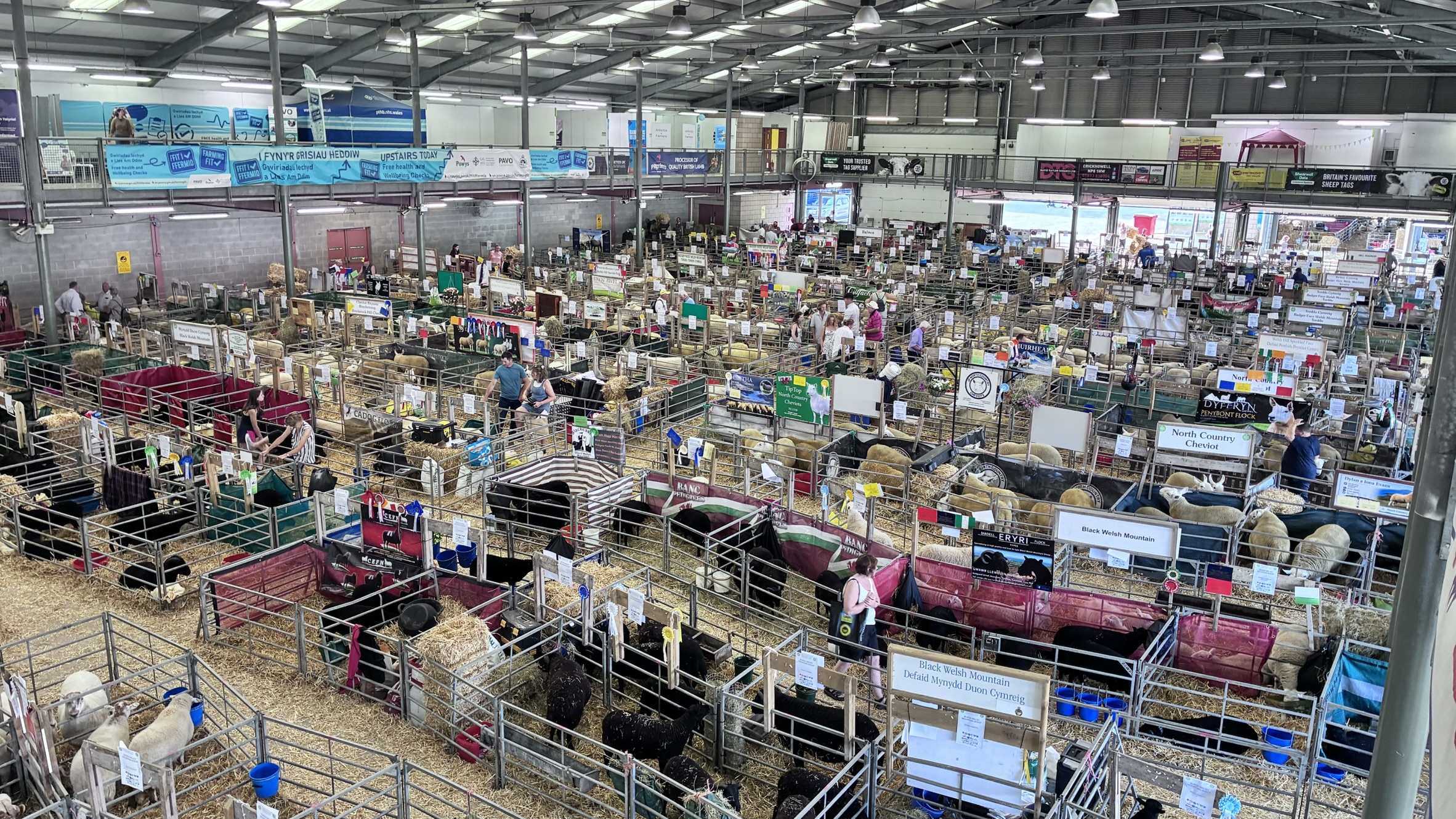
Every year I visit the Royal Welsh show for briefing breakfasts and informal work meetings, before I leave, I take time to hang out in the livestock sheds. Generations of families from rural communities gather to groom sheep, show cattle and then chat, drink, snooze, laugh. As the ‘agri’ element shifts, we should keep an eye out to help the ‘culture’ adapt – see next section.
Cultural shift
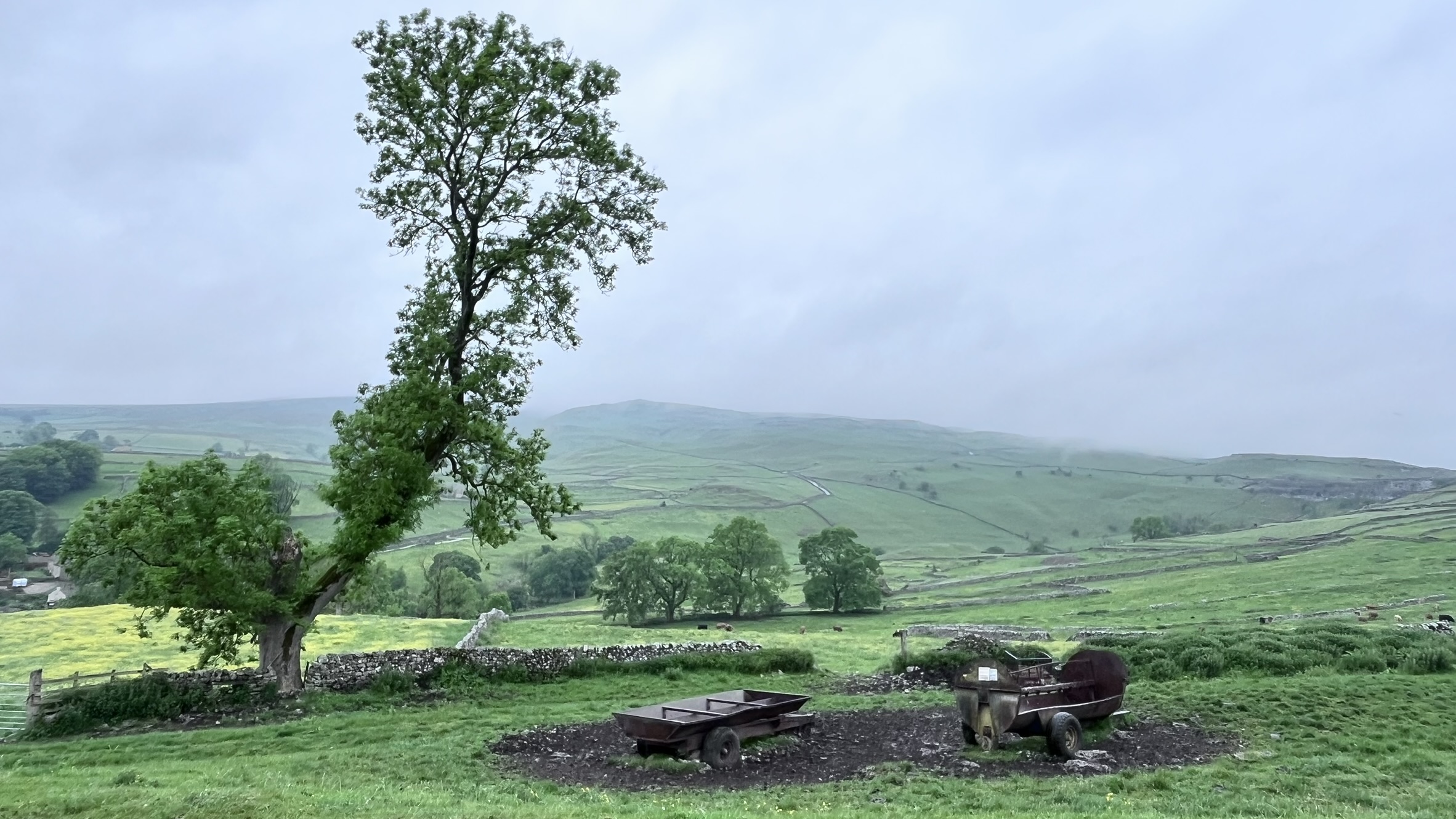
The knackered ash tree, manure spreader and farm trailer are bygone relics sitting alongside AI-driven tourist-ridden paths near Malham Cove in the Dales. A pause can help acknowledge the past; here’s a ‘Gutenberg moment‘ piece on the [‘just’] ‘transition’ from old to new ways.
The interregnum is rough, unready and requiring resilience in diversity of thinking, perhaps not yet fully realised.
Non-binary thinking
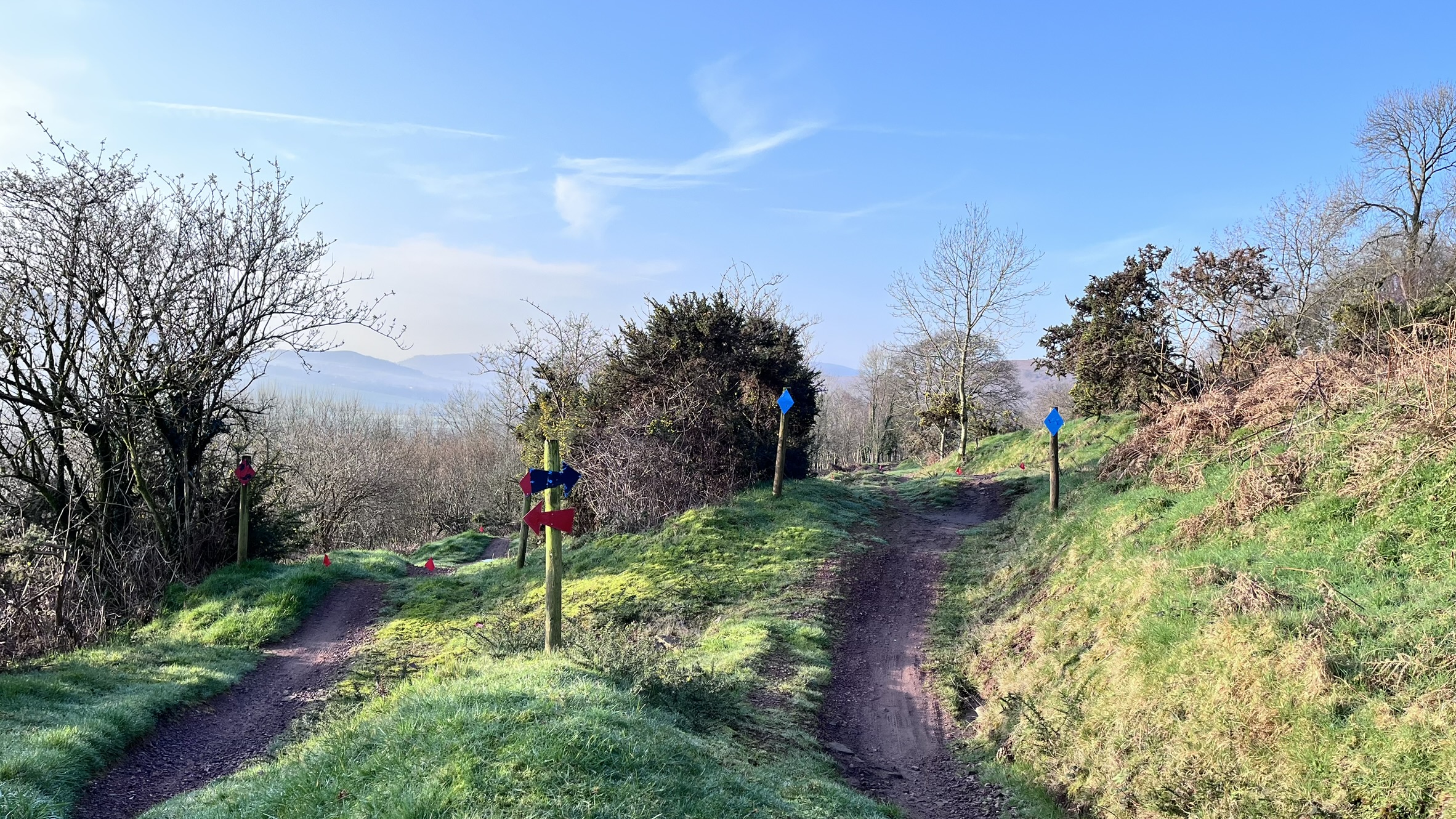
When it is easier to fall into easy groupthink ‘left or right’ tribal identity, learning about how to balance use of the right side and left side of our brains may be harder. But a lot more worth while in the long run.
Fencing options
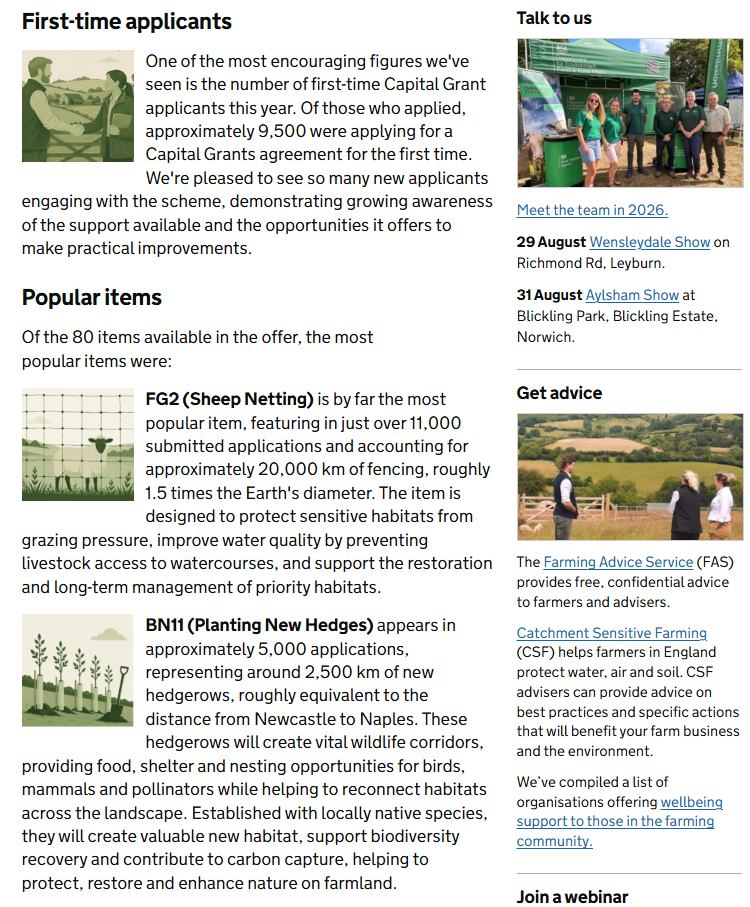
With over 9000 new applicants to Defra’s Capital grants for the first time, including 20,000 km of stock fencing, an ADOPT offer, and a recently Farmer Collaboration Fund (which will no doubt be oversubscribed, as it’s not just farmers, but also land managers), perhaps there’s a subtle shift as to thinking outside the field and seeing the opportunities.
Especially, with a whirl of Defra Secretary of States, it’s good to forge ahead without relying too much on a government.